Decarbonization

Reducing CO2 emissions through efficient technology and sustainable processes

Decarbonization Starts With Intelligent Technology

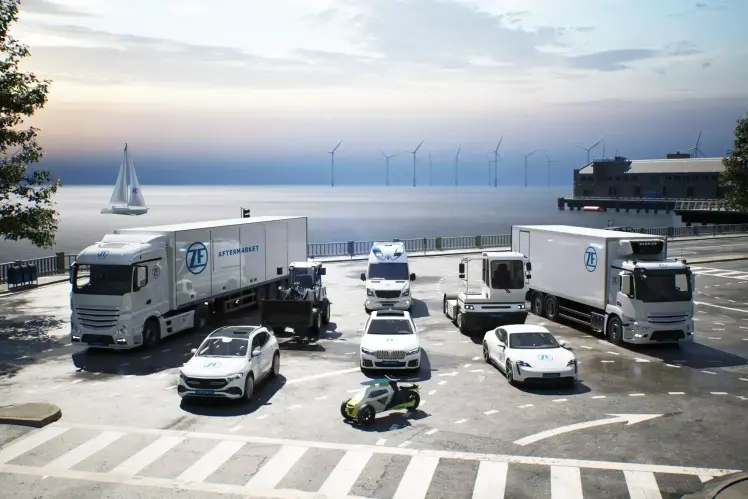
ZF is driving decarbonization by consistently electrifying mobility – from passenger cars and commercial vehicles to off-highway applications, ferries, and rail vehicles. One thing is clear: industry must reduce emissions along the entire value chain. Efficient processes, renewable energy, and innovative technologies are essential to achieving this. This is where ZF comes in.

How Does ZF Contribute to CO₂ Reduction?

ZF is committed to a science-based reduction of emissions and to achieving climate neutrality across all areas by 2040.

CO2 Reduction Through Sustainable Business Operations

Companies play an important role in decarbonization by reducing emissions: through energy efficiency, the use of renewable energy, and process optimization. Decarbonization can only succeed if emissions are reduced across the entire value chain. Key areas are research and development (R&D) and production.

Research and development

Decarbonization Starts With Product Development

With regard to the future-oriented topic of sustainability, ZF has set itself the ambitious goal of becoming climate-neutral by 2040. However, climate neutrality does not apply only to ZF itself and its production processes (Scopes 1 and 2); it also includes emissions across the entire value chain (Scope 3).

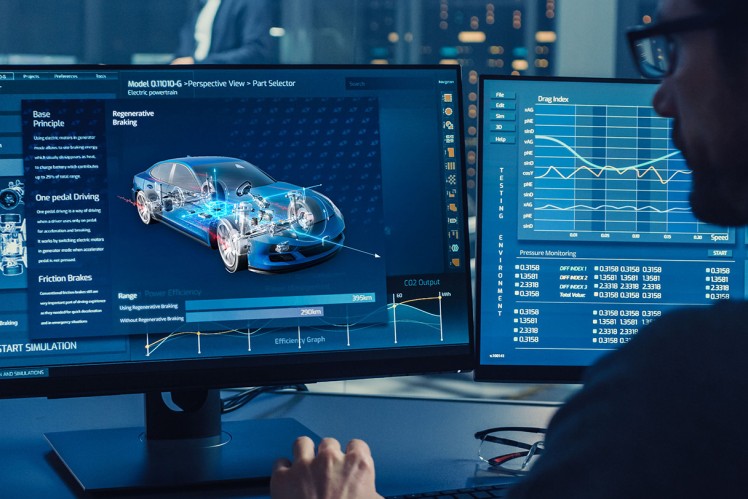
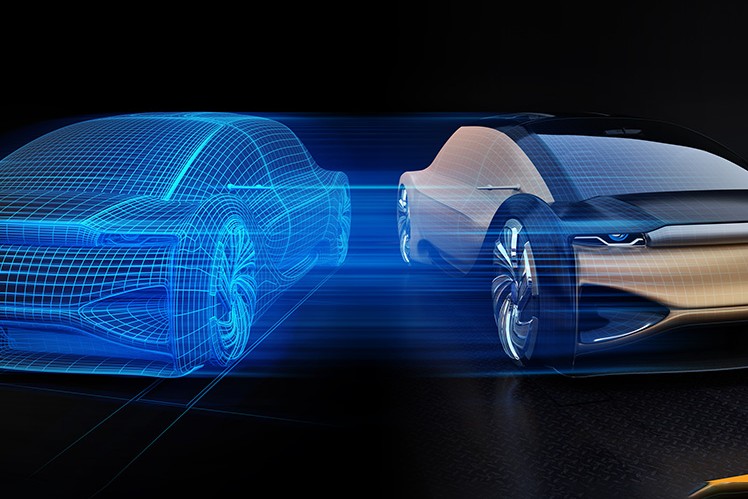
In general, ZF is strongly accelerating its efforts to shift from the formerly common linear economy to a resource-efficient circular economy. The creation of products suitable for circular economy principles begins as early as the product development stage. The use of digital twins in product development is still relatively new. They not only increase speed and efficiency in the development process, but also reduce energy consumption and waste volumes.

The use of digital twins in product development is still relatively new. They not only increase speed and efficiency in the development process, but also reduce energy consumption and waste volumes.

“Digital twins reduce resource usage and optimize processes. They also increase flexibility through faster adaptation of products or manufacturing processes.”
Dr. Rolf Reinema, responsible for IT infrastructure and IT in development and production at ZF

Virtual Journey Into Reality

Virtual development is inextricably linked to mobility’s transformation. Greater digitization of this critical process step is essential for suppliers like ZF to consistently meet customer expectations for speed and quality. Here’s an overview.

Successful Virtual Sprint

Greater competition and shorter development times strongly impact the testing of new components and systems. Developers at ZF are increasingly reacting by using digital twins, which offer even more advantages.

Sustainable R&D Makes the Difference

Sustainability is a central component of ZF's corporate strategy. ZF attaches great importance to anchoring this principle in all areas of the company. Research and development (R&D) plays a key role here.

Production

Decarbonizing Production

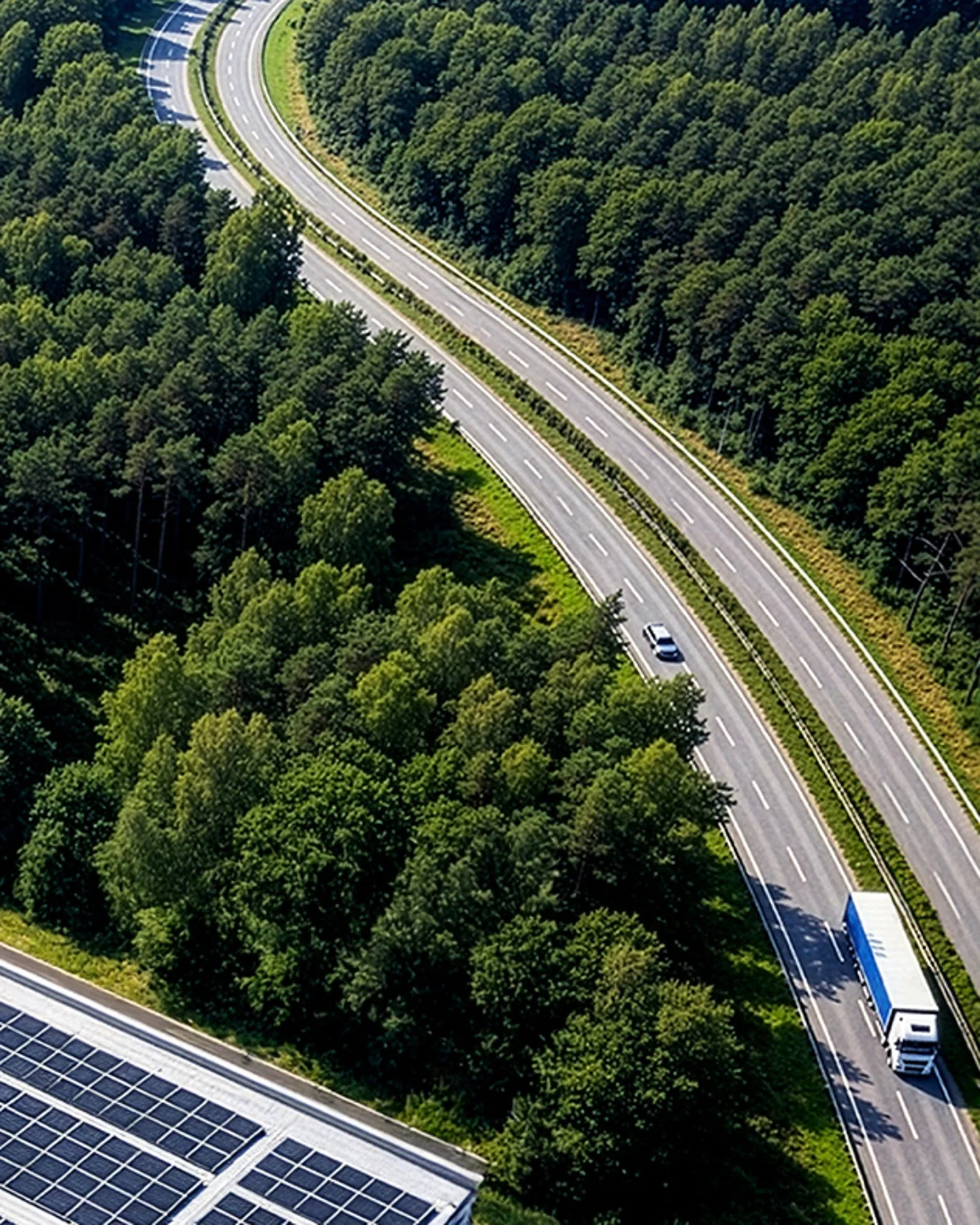
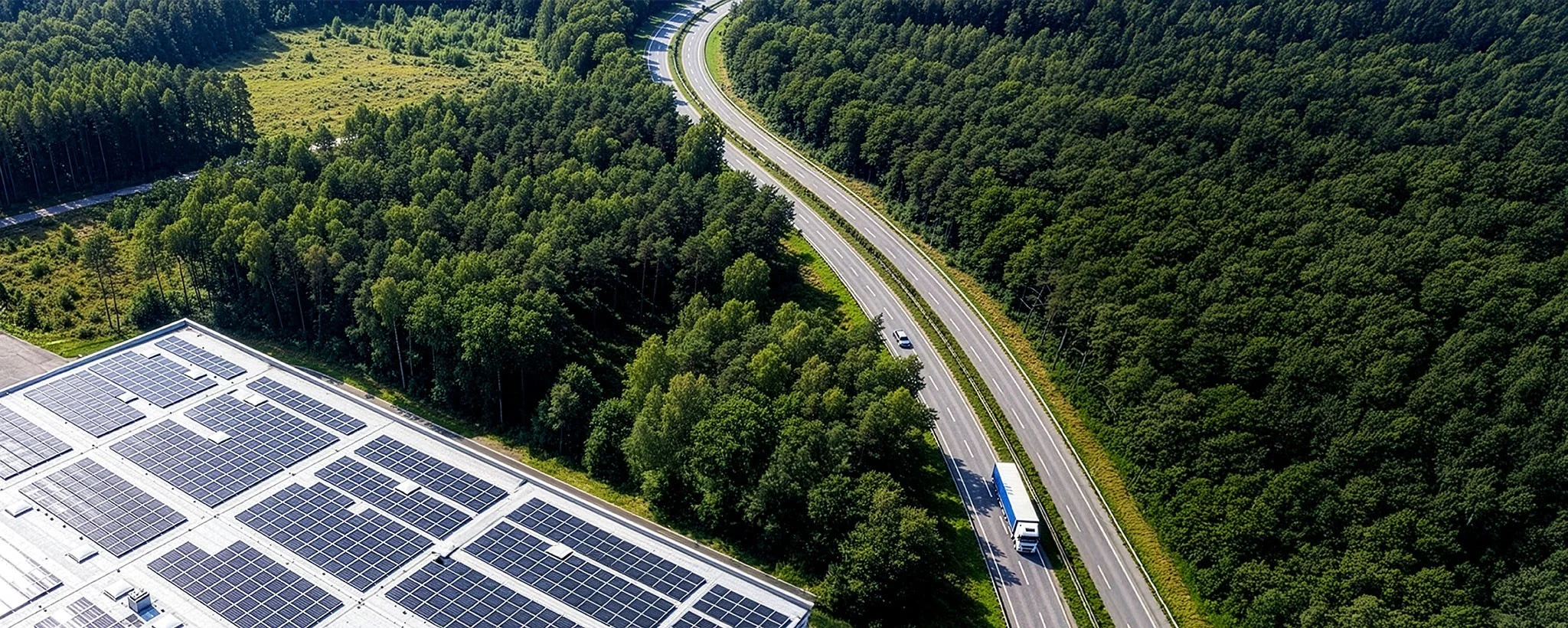
To reduce pollutant emissions in manufacturing and assembly, ZF is pursuing two approaches: On the one hand, the company uses sustainable materials and clean energy from renewable sources; on the other, ZF invests in modern production buildings and equipment designed to consume as little energy as possible.

In terms of energy use, the Group has already reached an important milestone: Since 2025, all ZF sites worldwide have been supplied exclusively with electricity from renewable sources. The company has also succeeded in reducing its Scope 1 and Scope 2 emissions by 85 percent compared to 2019 – five years earlier than planned.

Reduction in Scope 1 & 2 CO2e emissions
compared to 2019
85
%
Electricity from renewable sources
at all ZF locations worldwide
100
%
Reduction in Scope 1 & 2 CO2e emissions
compared to 2019
85
%
Electricity from renewable sources
at all ZF locations worldwide
100
%

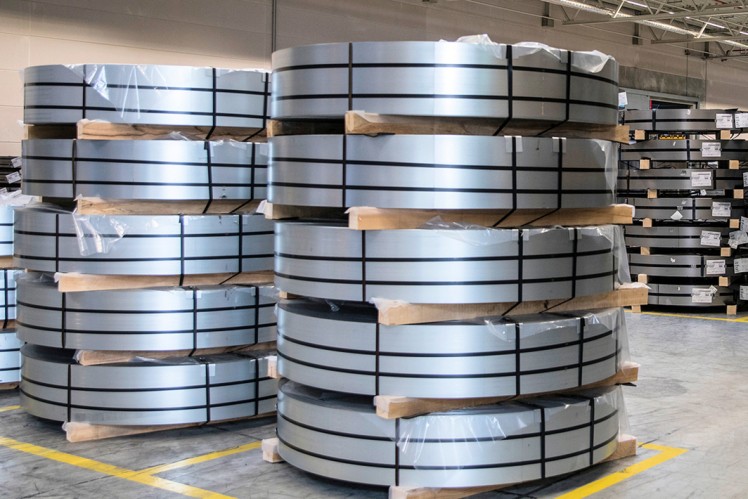
In production, ZF is working to use even more sustainably produced materials – such as green steel – and to consistently increase the share of recycled materials. Recently, ZF’s Board of Management reaffirmed the targets for the use of recycled materials, which cover more than 95 percent of the volume of ZF’s production materials. This conserves raw materials and is an important step on the path toward a circular economy.

Sustainable and Circular Products and Operations

A functioning, sustainable, circular economy is an integral part of achieving the climate goals and decoupling resource consumption from growth. Circular economy is a systematic approach in which we use fewer resources for longer and multiple times.

These are just a few examples of ZF’s activities to drastically reduce greenhouse gas emissions generated by its own operations, with the ambitious goal of achieving full climate neutrality by 2040.

Acting Now. Sustainability@ZF

Sustainability is an integral part of ZF Group strategy. Its targets include complete climate neutrality by 2040. However, sustainability means far more to us than climate protection. In addition to climate and nature, we focus on the dimensions of people and lasting values.

Lower CO2 Emissions through an Efficient Mobility and Transportation Mix

For ZF, the key to sustainable mobility lies in the electrification of vehicles of all kinds. The company electrifies passenger cars as well as trucks, buses, agricultural and construction machinery. Even ferries and rail vehicles of all types use ZF electric drive technology. At the same time, ZF makes a strong contribution to clean and sustainable energy generation with its wind power gearboxes.
Electrification in Passenger Cars

The desire for individual mobility is as old as the automobile itself. ZF technology ensures that this desire does not come at the expense of the environment.

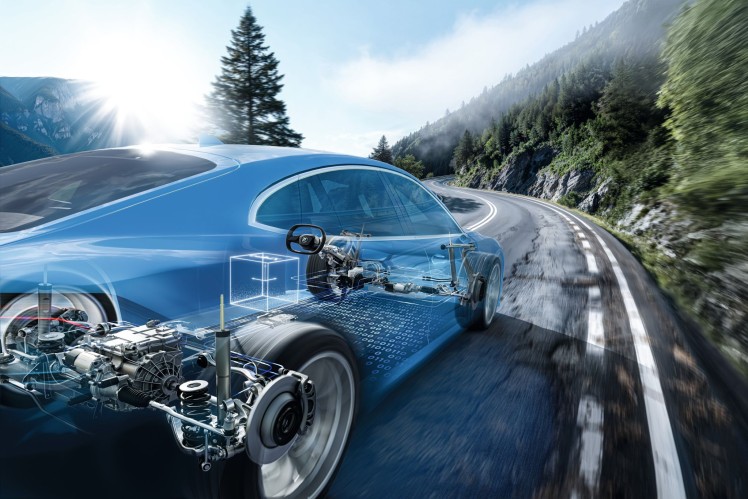
A classic solution on the path to significantly reduced CO₂ emissions is ZF’s ultra‑efficient 8‑speed automatic transmission, internally known as 8HP. When used in plug‑in hybrid vehicles, most everyday journeys can be completed purely electrically. This hybrid classic is complemented by the ZF eDrive Platform SELECT, a finely graduated modular system for fully electric drivetrains. Newly developed ZF range extenders also increase electric range. In addition, the innovative TherMas thermal management system increases range, especially in winter when low temperatures put a strain on EV batteries.

“By combining high performance individual components with attractive system level functions, e drives can be configured for a very wide range of applications – with significantly shorter development times.”
Dr. Otmar Scharrer, Head of Development for E Drive Technologies at ZF, on the SELECT platform

ZF eDrive Platform SELECT

The e-drive is the heart of a battery-powered vehicle. Thanks to SELECT, it beats ultra-efficiently.

Automatic Transmission: Fourth-Generation Efficiency

Since 2022, ZF has been producing a new 8-speed automatic transmission for passenger cars with mild hybrid and plug-in hybrid drives as well as for pure combustion engines. Never before has top electric performance been packaged so compactly.

Range Extender: More Than Just Extra Range

ZF has significantly advanced the technical concept of the range extender. As a result, the range extender primarily caters to the needs of Chinese electric car manufacturers, but it also has the potential to boost the electric mobility markets in Europe and North America.

A New Take on Thermal Management

ZF has built a reputation for delivering efficient propulsion systems in electrified mobility. Its advanced thermal management system, TherMaS, with its superior capabilities is another key to unlocking greater range from each battery charge.

More efficiency, safety, and comfort for passenger cars

ZF's product portfolio includes innovative driveline and chassis technology for passenger cars with conventional driveline as well as for hybrid and electric vehicles. In addition, ZF offers both components and systems for passive safety technology. ZF is shaping the future of mobility with its unique expertise.

Electrification of Commercial Vehicles

Electrification in commercial vehicles currently shows a clear split: While electric buses – especially city buses – already achieve high market shares, heavy electric trucks are only at the beginning of their commercial breakthrough.

Technical Development in Trucks

The market for electric trucks will gain momentum in 2026. Key drivers are legislators worldwide. Under EU law, for example, truck manufacturers in Europe must reduce emissions from new trucks by 45 percent by 2030 and by 90 percent by 2040, compared with 2019 CO₂ levels. Trailer manufacturers must also improve emissions values by ten percent by 2030.

Challenges remain in electrifying long haul truck fleets with battery electric vehicles. China is clearly leading in this area. The still incomplete fast charging infrastructure (Megawatt Charging System, MCS) for heavy trucks favors alternative solutions such as hydrogen combustion engines, fuel cells, and hybrid technologies.

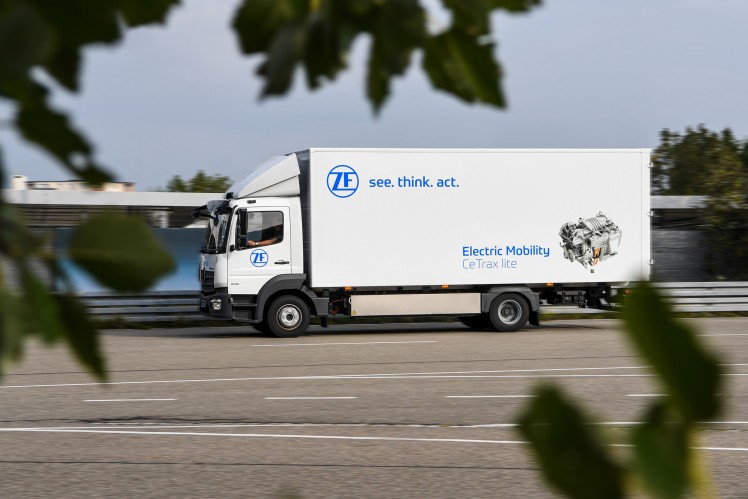
To advance decarbonization in trucks through electrification, ZF has developed a modular system with various electric drivetrains that are efficient, robust, and cost effective. For trucks with conventionally designed drivetrains, the electric central drive CeTrax 2 is of particular interest. Its variants for light to heavy trucks now form a family of their own.

The CeTrax solutions are complemented by three systems of the electric axle AxTrax 2. While the CeTrax 2 central drive powers a conventional rear axle via a drive shaft, the AxTrax 2 integrates electric motors and transmissions directly into the axle.

In addition to fully electric drivetrains for trucks of all weight classes, ZF also offers its proven TraXon 2 automated manual transmission in the electrified TraXon 2 Hybrid version, significantly reducing CO₂ emissions.
TraXon 2 Hybrid as a PHEV
47
%
Maximum CO₂ reduction achieved by the TraXon 2 Hybrid commercial vehicle transmission as a PHEV in long haul operations, and up to 73% in distribution traffic, according to a VECTO simulation – provided consistent intermediate charging is applied.

Decentralization for a Central Drive

Difficult circumstances have marked the preparations for the start of volume production of CeTrax lite, the electric drive system for light commercial vehicles. The key to success: the European-Japanese ZF team.

Powerhouse for E-Trucks: CeTrax 2

CeTrax 2 is ZF's integrated and modular electric central drive for heavy-duty commercial vehicles. It is designed to seamlessly package within the space of the transmission of an ICE vehicle.

Read more in ProductFinder

Technologies for Long Distances and Heavy Loads

ZF offers a broad portfolio of complete driveline, steering and advanced safety systems for trucks, leading to safer roads and improved operational efficiency for fleets.

Technical Development in Buses

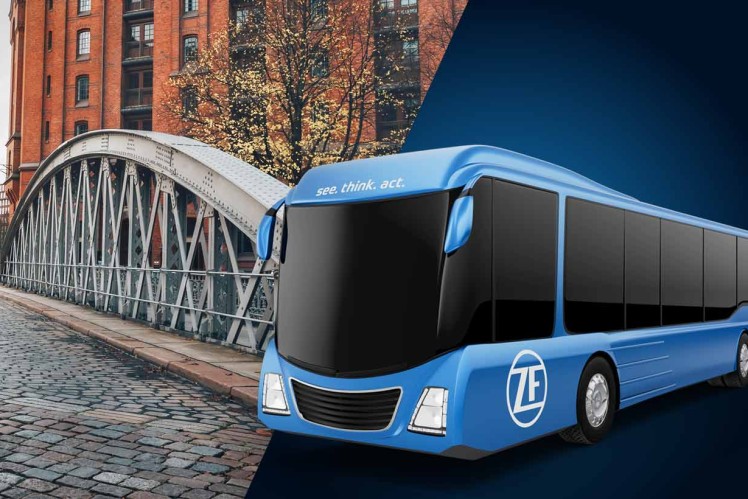
Electric buses play a central role in the global transport transition. They are locally emission free and quieter than diesel buses. According to a 2025 international study by the Institute for Transportation and Development Policy (ITDP), more than 50 percent of all public transport journeys worldwide are made by bus.

Compared with a diesel bus, a single electric bus can save up to 60 tons of greenhouse gases per year – a powerful lever for decarbonizing mobility and achieving climate goals. City buses in particular are pioneers of commercial vehicle electrification. According to the International Energy Agency (IEA), more than 70,000 electric buses were sold worldwide in 2024, driven mainly by China and strong growth in Europe.

ZF draws on its modular e drive kit for commercial vehicles, the result of more than 30 years of experience. As early as 1994, ZF presented its first low floor electric axle for buses. Multiple generations later, this technology has evolved into the AxTrax 2 LF electric portal axle.

Depending on requirements and vehicle type, customers can choose from multiple AxTrax 2 electric axle drives or CeTrax 2 central drives. Among all commercial vehicle types, electrification and decarbonization are most advanced in city buses. Intercity and coach buses, with their significantly longer ranges, remain more challenging. Here, plug in hybrid drivetrains act as an important bridging technology.

Technologies for sustainable passenger transport

With the industry’s broadest technology portfolio for commercial vehicles, ZF is here to help make city buses and coaches safer, smarter, and more sustainable.

E mobility off the road

Electric Operation on Construction Sites, at Sea, and Beyond

Decarbonization must go beyond road traffic. Electrifying construction machinery and agricultural machinery as well as shipping is equally essential. These vehicles only operate emission free if the electricity used is produced sustainably. ZF contributes here through its global involvement in wind energy. ZF’s off-highway activities are organized within the Industrial Technology division.

On the Path to the Emission free Construction Site

By 2050, an estimated two thirds of the world’s population will live in metropolitan areas. Electrifying construction machinery plays a vital role in decarbonization by eliminating CO₂ emissions directly at the point of use. It also reduces fossil fuel consumption, improves air quality on construction sites, lowers noise exposure, and reduces maintenance requirements.

Although purchase costs are often higher, total cost of ownership (TCO) frequently favors electric machines due to lower energy and maintenance costs. Stricter emissions regulations and local initiatives are accelerating this transition. In Oslo, for example, 85 percent of municipal construction sites were already emission free in 2025.

Higher Productivity and Fewer Emissions in Agriculture

Although agricultural machinery makes only a relatively small contribution to global CO₂ emissions compared with sectors such as energy or transport, it still impacts overall greenhouse gas balances. Agricultural machinery is estimated to account for around 1–1.5 percent of total global greenhouse gas emissions.

ZF contributes to decarbonization in agriculture and forestry with products such as the electrified continuously variable transmission eTERRAMATIC eCVT, the fully electric eTERRADRIVE tractor drive solution, and the eTRAC electric central and wheel drives.

Making Rail Transport Even More Environmentally Friendly

Rail transport plays a key international role in decarbonizing the transport sector, with the lowest greenhouse gas emissions per passenger or ton kilometer compared to road and air traffic. According to the International Energy Agency (IEA), rail accounts for only about one percent of global transport related CO₂ emissions.
ZF has been active in rail technology for more than a century, from its first rail drive system in 1924 to today’s modern gearboxes such as EcoLife Rail 2, EcoMet, and EcoWorld 2. These systems improve comfort and efficiency in diesel and electric multiple units, metros, trams, locomotives, and high speed trains.

Goal: Climate friendly Commercial Shipping

Shipping is responsible for an estimated 2.5–3 percent of global CO₂ emissions, equivalent to around eleven percent of transport sector emissions. Between 2019 and 2024, the OECD recorded a nine percent increase, mainly driven by growing global freight traffic.

In 2023, the International Maritime Organization (IMO) set the ambitious goal of achieving climate neutral international shipping by around 2050. ZF Marine has been contributing for decades with hybrid gearboxes, ENC gearboxes, and hybrid and electric thrusters for tugs, ferries, and research vessels.

Clean and Quiet Construction Site

Now electrification is also reaching construction sites. An electric compact wheel loader with ZF eTRAC is the first of its kind. ZF offers a complete system of high-performance e-drives for a wide range of vehicle sizes.

Now electrification is also reaching construction sites. An electric compact wheel loader with ZF eTRAC is the first of its kind. ZF offers a complete system of high-performance e-drives for a wide range of vehicle sizes.

Electric Ferries: Reducing the Ecological Footprint

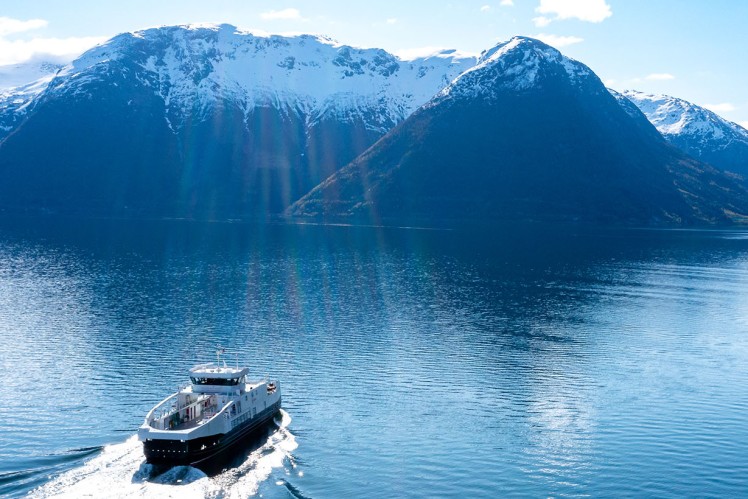
The prevalence of shorter routes makes ferries the ideal electrification candidates. About the advantages of maritime e-drives and what ZF contributes.

Ferry on the sea with mountains in the background

ZF Products Off the Road

Whether on water or on land - ZF keeps things moving off-road, too. ZF supplies the right driveline and transmission solutions for many industrial applications.

Sustainable energy generation

ZF Wind Power: Contribution to Clean Energy Production

Wind energy makes a decisive contribution to global decarbonization and thus to climate protection. After all, it replaces fossil fuels in electricity generation and therefore significantly reduces the amount of greenhouse gas emissions released in atmosphere.

The commitment to decarbonization arises, among other things, from the Paris Climate Agreement of 2015. In it, the signatories of 197 states declare their intention to limit global warming to well below 2 degrees Celsius, and preferably to 1.5 degrees Celsius, compared to pre-industrial levels.

Wind power is also a prerequisite for producing “green hydrogen,” for example to decarbonize the steel industry. Electricity from the renewable source wind is also important for the expansion of electric mobility if it is not to be merely locally emission-free. According to the European Commission, a modern onshore wind turbine offsets its entire CO₂ balance in less than one year. From that point on, it produces electricity with virtually no emissions for the rest of its service life – on average around 25 years.

ZF Group has pooled both the design and production as well as services related to wind turbines within its business unit ZF Wind Power. With nearly half a century of activity in the wind business, this gives ZF vast knowledge in technology and markets, benefiting customers worldwide. Whether for onshore or offshore applications, the Group now supplies gearbox solutions and services for wind turbines with capacities of up to 15 megawatts.

Innovation and Fascination on an XXL Scale

ZF Wind Power stands for the highest quality at competitive prices and close customer relationships around the globe.