Polymer Recycling: Breaking Down the Chains
ZF and its partner BASF successfully completed a circular economy pilot project in record time. It proves that recycled plastic can be used even in the production of high-stress components – with no compromise in quality compared to conventionally manufactured, fossil-based plastic.
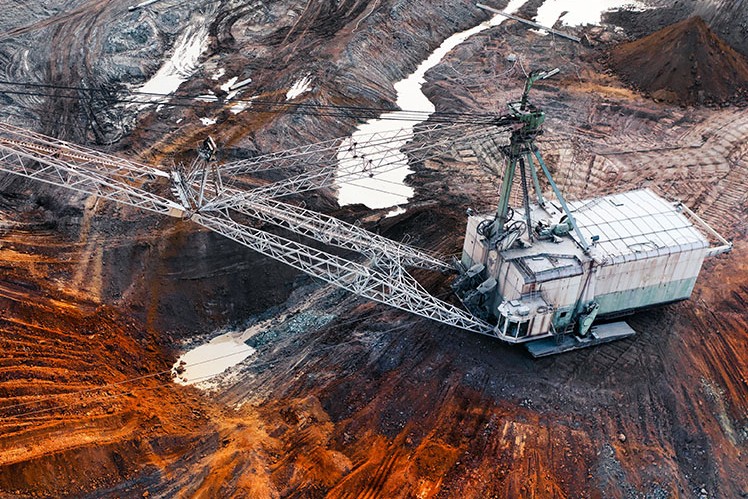
These are figures that defy human imagination. In its "Global Resource Outlook 2024" report, the United Nations Environment Programme (UNEP) states that global resource consumption has more than tripled since 1970, rising from 30 billion to 106 billion tons per year. Still, it's possible to put these massive numbers into perspective. They translate to an increase in material consumption from 23 to 39 kilograms per person per day.
Circular Economy as a Problem Solver
Tackling this challenge requires more than just using fresh resources more efficiently. What matters most is keeping products and the materials they contain in the economic cycle for as long as possible, for example through remanufacturing. Only when the remanufacturing of products is no longer possible or worthwhile should as many materials as possible be recovered – to create new products from them. The circular economy approach with its stages of reuse, remanufacturing and recycling is the guiding principle behind all of ZF's activities.
The Challenge of Engineering Plastics
Reprocessing plastics from technical applications is particularly demanding. These materials are typically what is known as "compounds." Experts use this term to describe plastics that are blended with various fillers and reinforcing agents, such as glass fibers, along with additives to enhance their properties. This results in composite materials with tailor-made properties.
Yet when a product reaches the end of its life, the complexity of these compounds can become problematic. Especially when high material quality or entirely new properties are required for the next application. Is it possible to break it down cleanly into its individual components? Can a high-quality compound be produced from it again? Are the properties and quality of this recycled plastic equal to those of fresh material?
Pilot Project for Recycling Engineering Plastics
It was questions like these that led BASF to approach its customer ZF at the Fakuma international trade fair for plastics processing in October 2024 – with an innovative project idea for plastic recycling through depolymerization. Together, the two companies are demonstrating that a circular economy is also achievable with high-grade engineering plastics. The upcoming End-of-Life Vehicle (ELV) Regulation from the European Union makes one thing clear: The plastics industry must deliver solutions and offer high-quality recyclates.
Recycling engineering plastics through depolymerization is a crucial step towards more sustainable mobility. In conventional recycling, used parts are typically shredded without sorting and turned into low-grade material. In contrast, depolymerization enables the material to be broken down into its original monomers – making it possible to produce plastic that is nearly as good as new.
The pilot project aimed to explore whether it is possible to process heavily contaminated polymer through depolymerization in such a way that it can be transformed back into a high-quality component. Another key objective for ZF was to keep existing materials within the production cycle, ensuring readiness for future customer demands and regulatory requirements. "With our project demonstrating the fundamental feasibility of a closed-loop system for high-performance engineering plastics, both ZF and BASF ventured into uncharted technical territory," says ZF project manager Anna-Carin Föhner.
Chemical Decomposition of the Plastic
The starting material consisted of used oil pans made from polyamide 6 (PA6), sourced from used 8-speed automatic transmissions. Until now, they have had to be disposed of as hazardous waste. The recycled material from the oil pans was intended to be used in the production of a new chassis component. The first step in the process is the depolymerization of PA6. Depolymerization is a chemical process in which large molecules (polymers) are broken down into their smaller building blocks (monomers). To begin with, the contaminated transmission oil pans must be cleaned and mechanically shredded. The shredded material is then fed into a reactor, where the depolymerization process takes place. At this stage, the reaction fluid still contains all the components of the original solid plastic.
Through filtration and distillation, only the monomers remain in the liquid in the final step. These monomers serve as the base material for subsequent polymerization and the creation of a new plastic compound. Dr. Thomas Schalk, responsible for polymer materials research at ZF, explains: "The method we applied allows a polymer to be reprocessed any number of times without compromising its quality. By generating monomers, essentially breaking down the chains and reassembling them, the material's previous lifecycle is effectively erased."
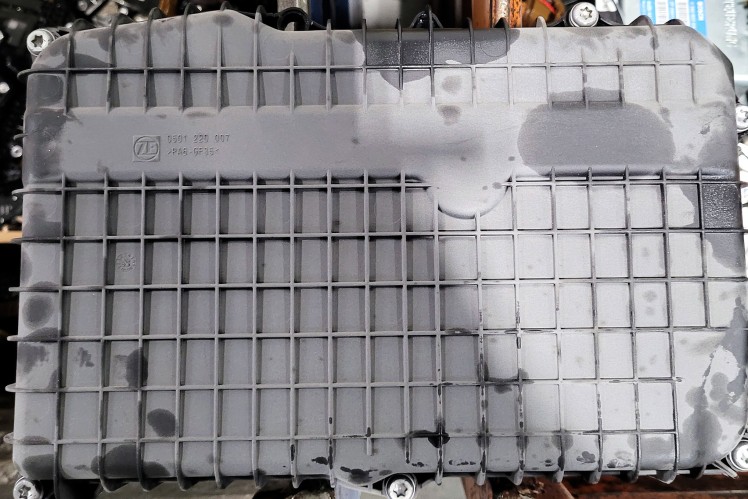
A contaminated transmission oil pan, prior to cleaning and removal of metal components, served as the source material for the recycled plastic.
A New Plastic Component Is Created
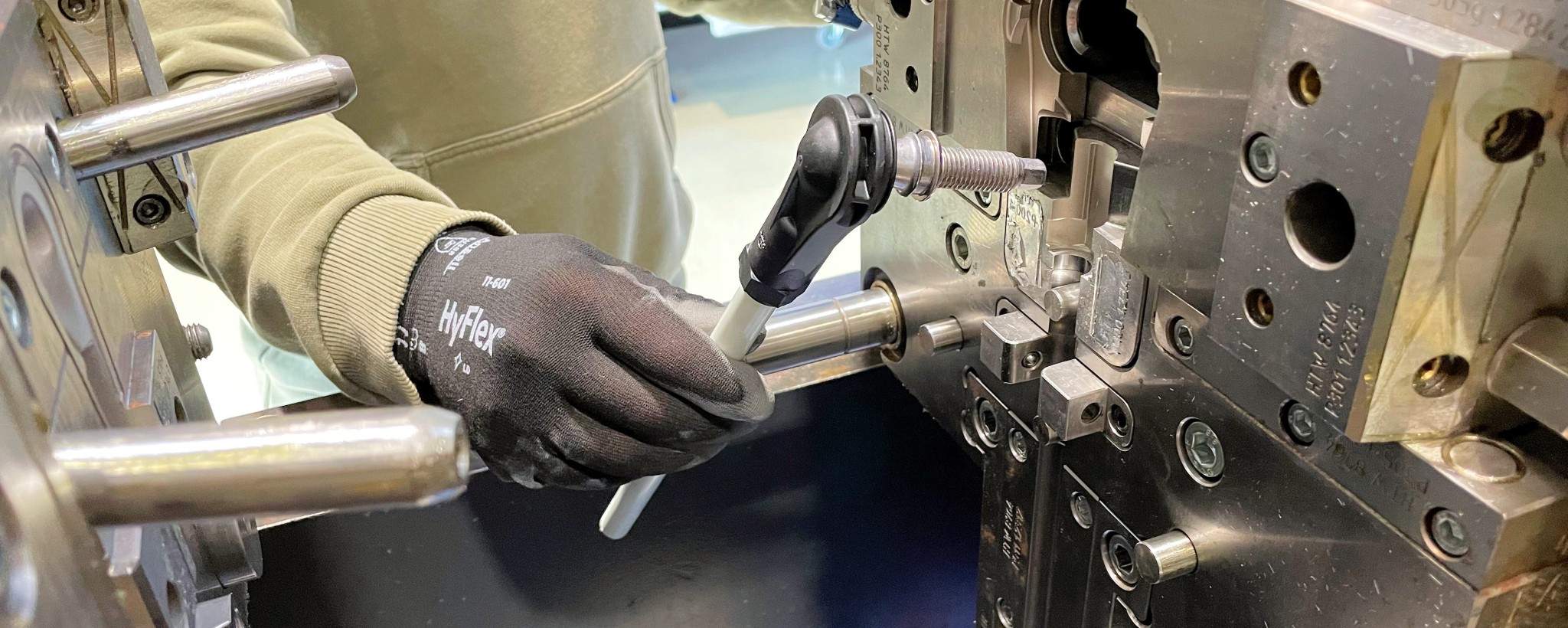
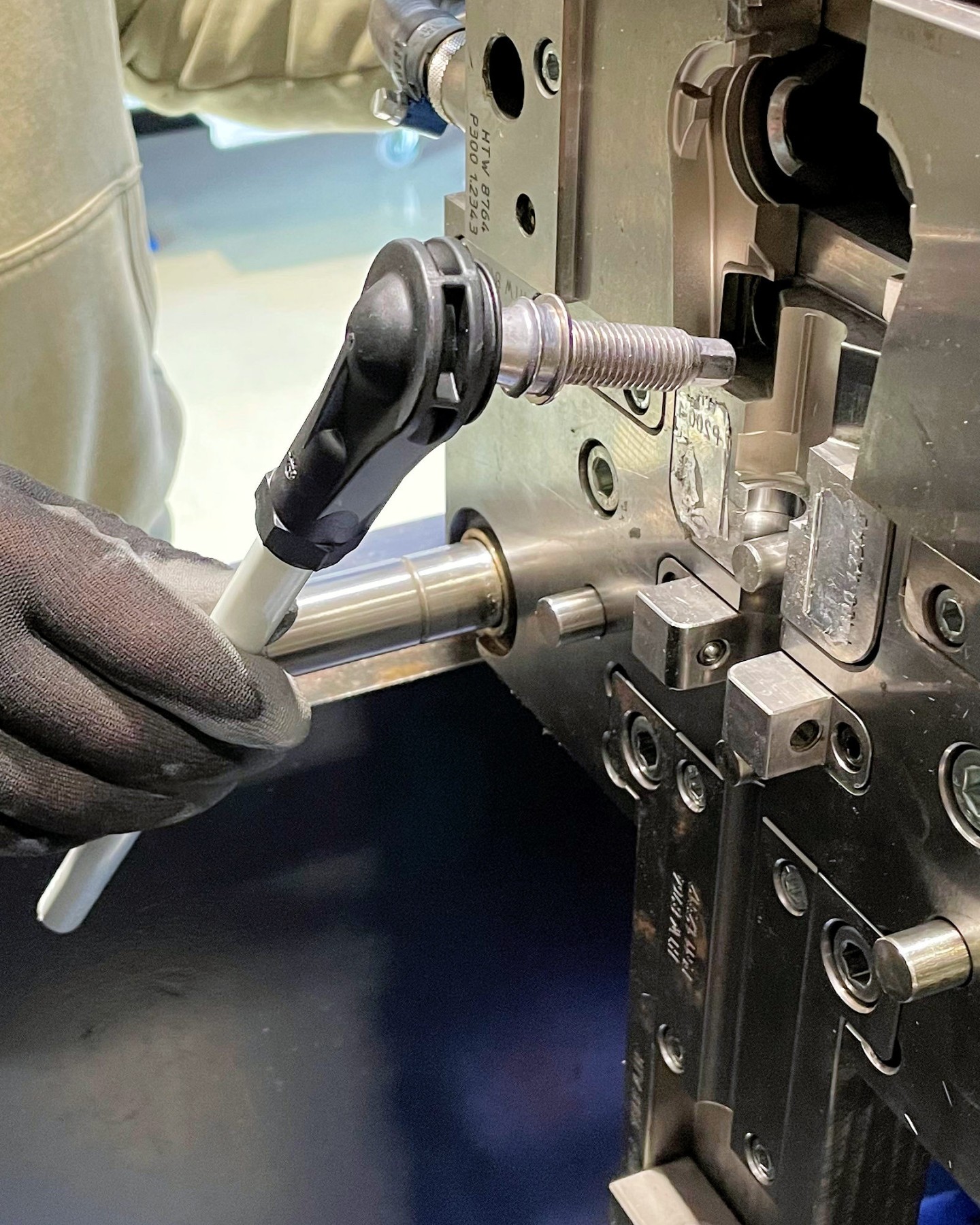
In this case, ZF used the newly developed plastic material – tailored to its own specifications – to produce a stabilizer link at its Thermoplastic Tech Center in Dielingen. The material composition of this high-stress chassis component does not necessarily match that of the original oil pan material.
By choosing a real component, one that ZF manufactures for a German automaker, the experts involved in the project were able to conduct extensive tests comparing stabilizer links made from recycled plastic with those produced using the standard compound. "The component meets all customer requirements – without any compromises compared to using the standard compound," says project engineer Florian Abendroth. He was responsible for producing the components and conducting their tests at the Tech Center in Dielingen.
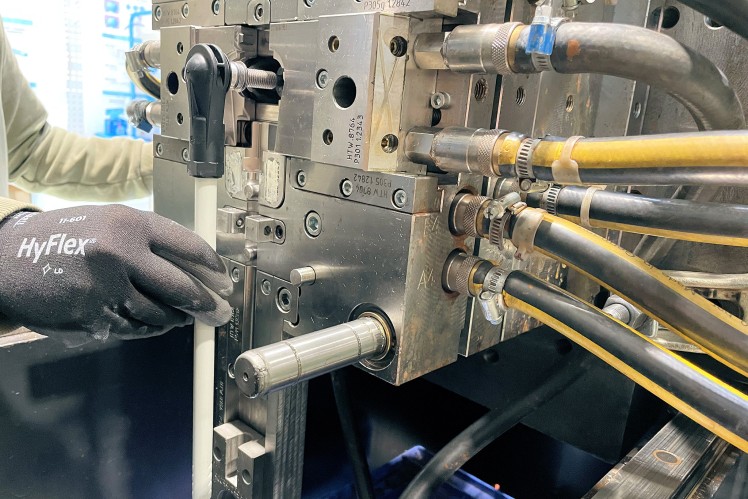
System designed to encapsulate the ball stud and connecting element of the stabilizer link in plastic.
Sustainability Winner
The recycled plastic proves its value beyond just technical performance. Initial calculations made by BASF show that using recycled material results in a significantly lower carbon footprint compared to conventionally produced compounds. The overall potential is huge. Each year, ZF alone produces several million plastic components, such as the oil pans mentioned. At the end of their lifecycle, they become potential sources of raw materials. By tapping into these sources through effective recycling strategies, both CO₂ emissions from plastic production and overall waste volumes can be significantly reduced. It also leads to a reduction in raw material imports. "What was once considered non-recyclable is now the starting point for high-quality new products," says Martin Scheuble, Head of the Circularity Engineering Plastics Team at BASF.
Whether a circular economy pilot project like this can evolve into a viable business model and scale up to industrial levels depends not only on market dynamics but also on regulatory frameworks. The planned End-of-Life Vehicle (ELV) regulation in Europe has the potential to give a strong boost to the circular economy. ZF and BASF have already made a significant contribution on the technical front. At K 2025 – The World's No. 1 Trade Fair for Plastics and Rubber in Düsseldorf – both companies will jointly present the results of their remarkable pilot project to the public.
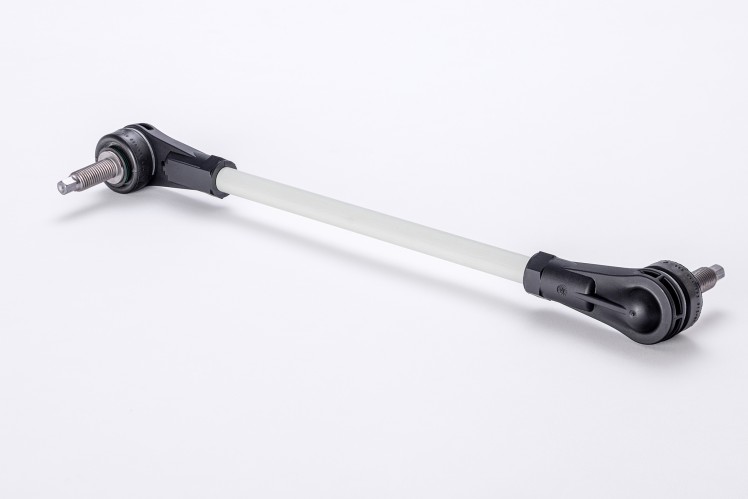
As good as new: stabilizer link featuring both ends made from recycled plastic.