Acting for climate and nature

Acting for Climate and Nature

Sustainability@ZF

Climate Neutral by 2040

Our important and ambitious goal is to be climate neutral by 2040. This includes not only ZF itself and our production, but also the emissions of our value chain. We record emissions from start to finish, from those of our suppliers through logistics all the way to the use phase of our products in vehicles and technical systems. At ZF, we focus on sustainably generated energy for our plants, increasing the energy efficiency of our processes, the electrification of a large proportion of our products, and the use of recycled materials.

Climate Action

One of the most essential tasks and at the same time one of the greatest challenges of our time is climate protection. Our climate strategy is correspondingly ambitious: we want to become climate neutral across all emission categories by 2040. Climate neutral means that our business activities do not increase CO2 concentration either upstream or downstream.

By 2030, ZF will reduce production-related emissions by
80
%
compared to 2019.

In our sustainability strategy, we are guided by the Sustainable Development Goals (SDGs) agreed by the UN in 2015 as well as the requirements of the Science Based Targets Initiative (SBTi), the CDP (formerly Carbon Disclosure Projekt) and the Task Force on Climate-Related Financial Disclosures (TCFD).

Reduction of CO2e Emissions

ZF is working intensely to reduce CO2e emissions in all three scopes of greenhouse gas emissions - Scope 1, 2 and 3. ZF’s emission reduction targets are validated by SBTi (PDF: 116 kB).

The largest share of Scope 3 is attributed to indirect emissions from supplies ("upstream" Scope 3) and emissions from ZF products in their use phase ("downstream" Scope 3). In order to meet our responsibility with regard to Scope 3 emissions in accordance with ZF's climate neutrality strategy, we aim to reduce Scope 3 greenhouse gas emissions by 40 percent per million euros of sales by 2030 compared to 2019.

ZF regularly reports on the status of CO2e emissions and target achievement through CDP (PDF: 2 MB).

Energy Consumption and Green Energy

In order to achieve our ambitious emission reduction targets, we at ZF are focusing on the two main contributors for scope 1 & 2: greater energy efficiency and the switch to green power and energy.

By 2025, ZF will source
100
%
of its electricity from renewable energy sources.

This approach applies to all ZF locations worldwide: to production and administration facilities as well as to research centers. The goal is to reduce Scope 1 and Scope 2 emissions by 80 percent by 2030 compared to 2019. To achieve this, we are increasing the energy efficiency of ZF plants worldwide - by 20 percent in 10 years. Secondly, we will obtain 100 percent of our electricity from renewable sources.

Supply contracts with renewable energy providers will provide the German ZF plants with up to 210 gigawatt hours of green electricity each in the period from 2022 to 2025. The agreed purchase volume corresponds to the electricity consumption of 72,000 households. This reduces CO2 emissions by 80,000 tons per year.

This strong focus on green electricity is an excellent match for the company's technological leadership as a global manufacturer of gearboxes for wind turbines. Today, 25 percent of all wind turbines worldwide are already equipped with ZF transmissions. These turbines alone can supply up to 100 million households with renewable energy - and another million are added every month.

Sustainable and Circular Products and Operations

Our sustainability strategy goals are closely interlinked. For example, a functioning, sustainable, circular economy is an integral part of achieving our climate goals and decoupling resource consumption from growth. For us, the circular economy is a systematic approach in which we use fewer resources for longer and multiple times.

Increasing material efficiency and reducing volumes of waste ultimately lead to reduced raw material extraction and CO2e emissions. If a product can no longer be used, repairing, reuse, remanufacturing of the product and recycling of materials close the loop.

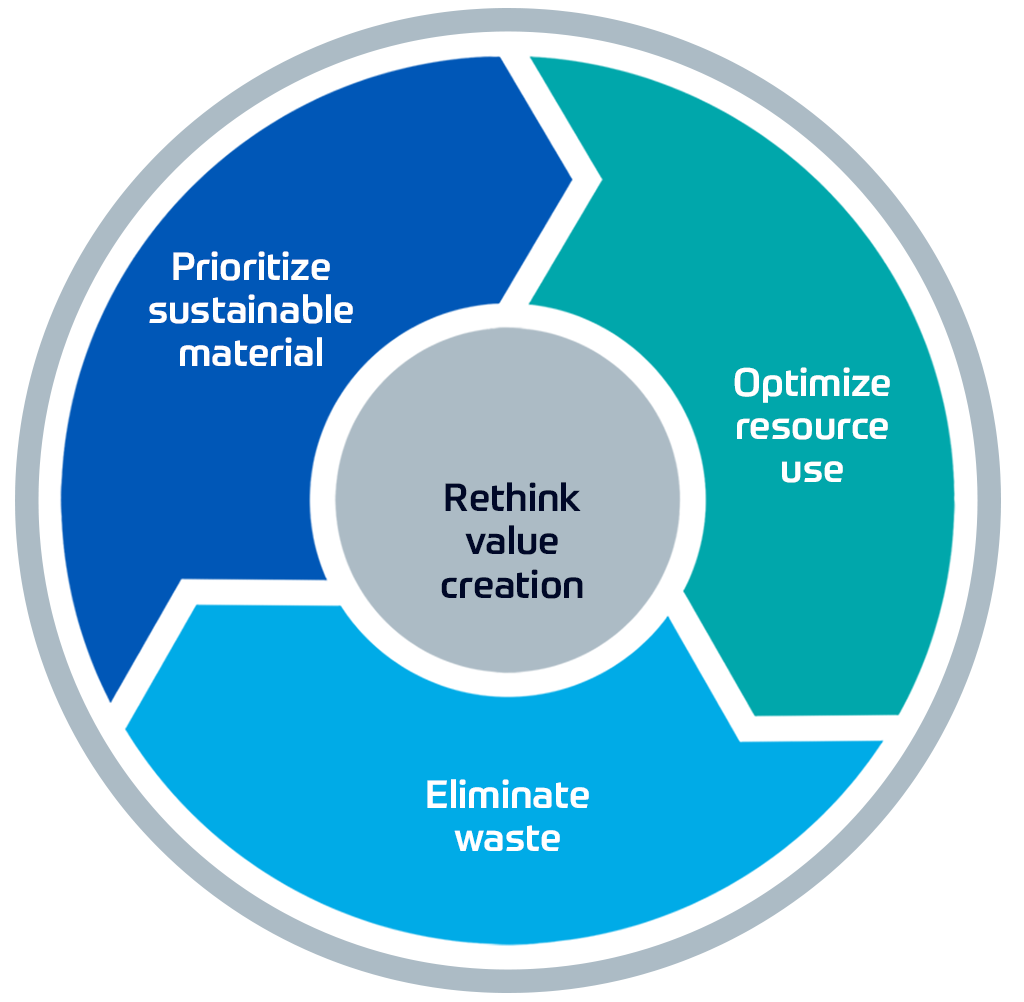
Rethink value creation

The circular economy aims to keep valuable raw materials and resources in the economic cycle for as long as possible. Products are not simply thrown away after use (linear economy), but shared, reused, repaired, refurbished and recycled for as long as possible. This approach not only reduces resource consumption, emissions and waste volumes, but also lowers material costs.


Click on (+) to learn more about

Circular diagram with three colored segments surrounding a central circle labeled ‘Rethink value creation.’ The segments are: ‘Prioritize sustainable material’ (dark blue, top left), ‘Optimize resource use’ (teal, top right), and ‘Eliminate waste’ (light blue, bottom). The graphic represents key principles of a circular economy.
Prioritize sustainable material

Prioritize sustainable material

  • Recycled content
  • Renewable material
  • Lower carbon impact materials
  • Avoid substances of concern & critical raw materials
Optimize resource use

Optimize resource use

  • Material efficiency
  • Responsible use of water
  • Sustainable energy use
Products
Eliminate waste

Eliminate waste

  • Circular business models & portfolio
  • Partnerships/ ecosystem/ platform
  • Skills & mindset
Careers
Rethink value creation

Rethink value creation

  • Circular business models & portfolio
  • Partnerships/ ecosystem/ platform
  • Skills & mindset

Remanufacturing

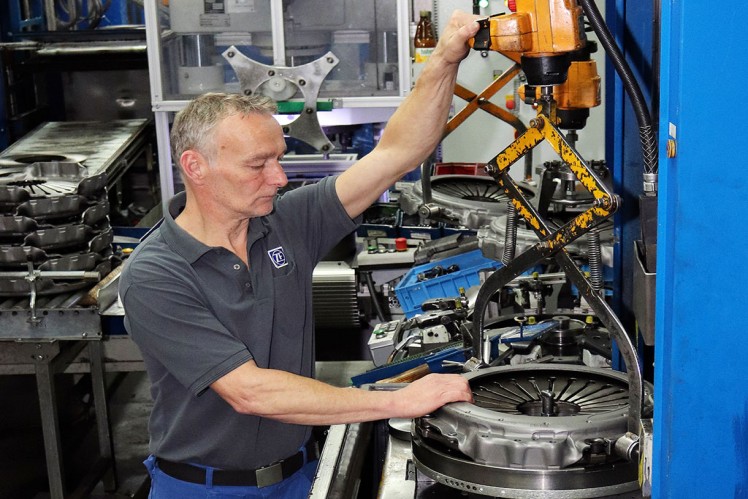
While ZF is increasing its efforts in all areas of a circular economy, the Group has a long history of remanufacturing. Our aftermarket activities cover more than 250 product families supported at 25 remanufacturing locations in 15 countries. Products from Bielefeld (Germany), one of our leading remanufacturing locations, have already been certified in accordance with the cradle-to-cradle (C2C) standard.

Remanufacturing Locations
25
Countries
15
Product Families
250
Remanufacturing Locations
25
Countries
15
Product Families
250
Use of Recycled Materials Conserves Resources and Saves CO2

With raw materials increasing in scarcity, efficient use is becoming more and more crucial. At the same time, materials must conform not only to stringent quality and safety but also to environmental and social standards and regulations.

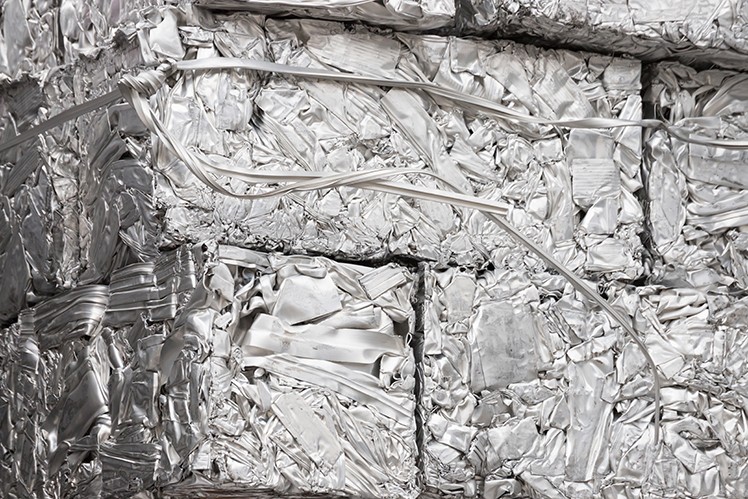
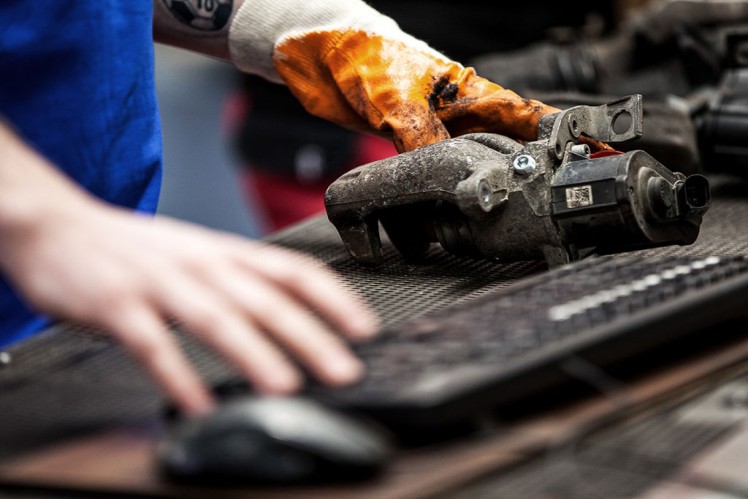
Another lever to CO2 reduction is to use recycled materials. We are already making an important contribution to resource conservation by constantly increasing the proportion of recycled materials in our products. For example, most of the aluminum housings we use are currently made of recycled aluminum. Its carbon footprint is only about a fifth of that of primary aluminum.

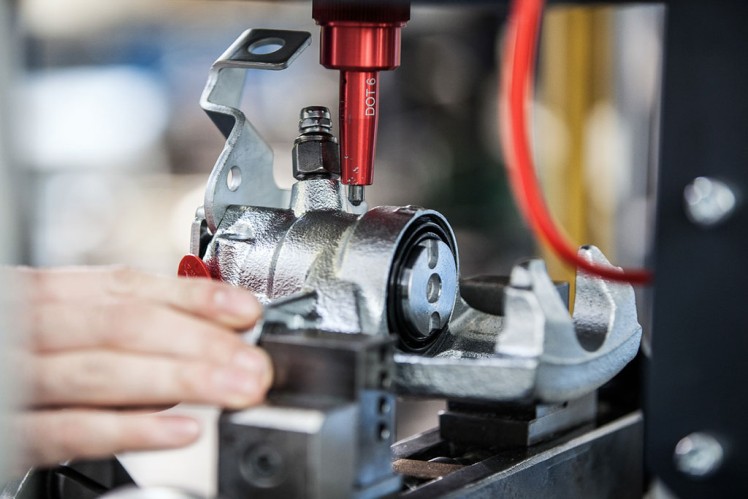
Extending the use phase by recycling is also an important lever for saving primary materials. In our more than 20 remanufacturing plants worldwide, we reprocess used parts on an industrial scale for a "second life" in the aftermarket – something we have actually been doing since 1963. Compared to a new part, remanufactured products save up to 90 percent in materials and energy.

Remanufactured products save up to
90
%
in materials and energy.

ZF channels a high percentage of waste from production processes back into the external recycling processes. This mainly applies to scrap metal and metal chips, waste oil, paper and cardboard as well as wood and demolition waste. As a result of their material composition and design aspects, ZF products have a higher recycling rate.

To support the circular economy and close material loops, ZF set itself a waste reduction target: Locations ZF locations shall reduce waste for disposal relative to sales by 1% on an annual basis. Base year is 2019.

Sustainability in the Choice of Materials

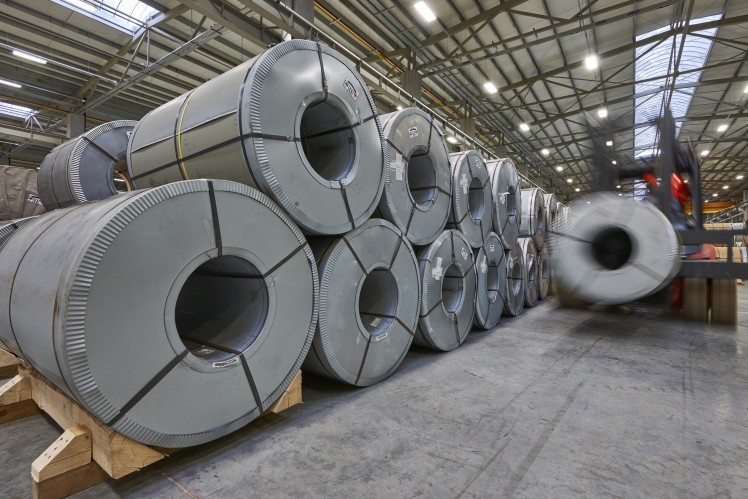
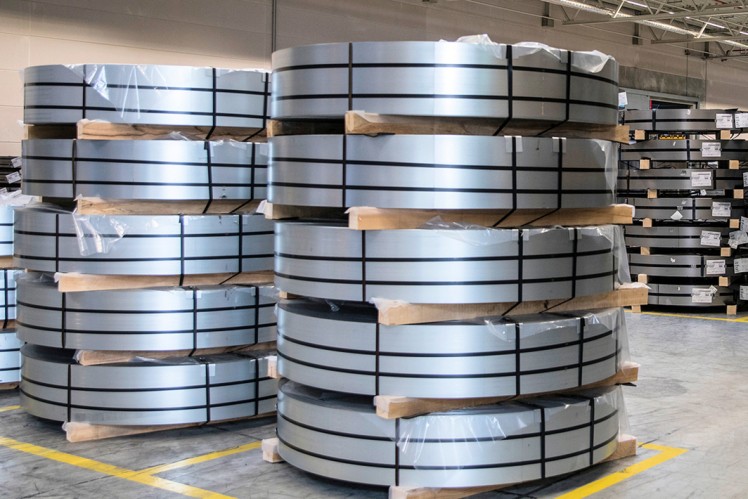
One of the most important factors for the successful reduction of indirect emissions is the purchase of sustainably produced materials. Particularly important for ZF is steel. That is why we have concluded a long-term supply agreement with Swedish start-up Stegra. Between 2026 and 2033, the Scandinavian company will supply ZF with 250,000 tons of environmentally friendly steel per year from its production facility in northern Sweden. This corresponds to about ten percent of ZF's current steel requirements. With this deal, ZF will save around 475,000 tons of CO2 per year.

Green Steel produced by Stegra

The steel is produced in a fully integrated production process using end-to-end digitalization, electricity from renewable energy sources and green hydrogen instead of coal. In conventional steel production, iron ore is reduced by heating it together with coal. In the process, a chemical reaction takes place separating the oxygen from the iron, creating and releasing CO2. In the production process of Green Steel, on the other hand, green hydrogen reacts with iron ore in a similar way to that with carbon. Instead of CO2, however, only water is produced as the main by-product.

Sustainable Products

Our products contribute to sustainability in several ways. We have a holistic understanding of sustainable mobility and the energy generation required for it. For instance, we offer products that reduce road traffic emissions - such as our solutions for electric mobility - while our wind power gearboxes contribute to the sustainable generation of energy.

Electric Mobility

Why we need electric mobility and which role plug-in hybrid drives play at the mobility of today and tomorrow. This and more information around electric cars and electrification is answered here.

Wind Power

ZF Wind Power stands for the highest quality at competitive cost of energy and customer proximity around the globe.
Sustainable, Successful Partnerships

One highly interesting project is the development partnership with Swedish OEM Polestar to produce the world's first completely climate-neutral vehicle. This car is expected to be ready for series production in 2030 and to have a zero-carbon footprint from raw materials manufacturing through production to the end of its useful life. This project is therefore about avoiding emissions over the entire vehicle life cycle and doing so without resorting to compensation measures. ZF is the first leading supplier group in the automotive industry to participate in the "Polestar 0 Project".

Sustainable Cooperation With Suppliers

In order to achieve our sustainability goals and become climate-neutral across all three scopes by 2040, we expect our suppliers and their supply chains to fully support this goal and make their contribution to reducing CO2e.

Green electricity is an important lever for decarbonization. We promote green electricity consumption throughout the supply chain and advise our suppliers on procurement options for green electricity. ZF has clear requirements for its production material suppliers worldwide: the use of 100 percent green electricity in the manufacturing of ZF products by the end of 2025 at the latest.

In addition, we expect full transparency regarding the carbon footprint of the products delivered to ZF (Product Carbon Footprint PCF). For the calculation methodology before and after SOP, our suppliers should refer to the Catena-X rulebook.

Since CO2 reduction targets are a crucial criterion in the procurement process, we work with suppliers who promote sustainable solutions and drive CO2 reduction solutions. We continuously develop and improve collaboration with our suppliers to advance and promote decarbonization throughout the company, for example through supplier dialogues, sustainability days or organized events for selected raw materials.

In view of numerous new requirements, ZF supports its business partners with training courses and various communication formats. The ZF Supplier Academy continuously offers a large number of on-demand training courses. This helps us support our suppliers in meeting sustainability requirements that contribute to the company's sustainability goals. All our training courses are free of charge for suppliers.

The globally active environmental non-profit organization CDP (Carbon Disclosure Project) recognized our commitment to sustainability as leading in corporate transparency and supplier connection. This is reflected in the strong Supplier Engagement Rating 2024: CDP (A-), for the third time in a row.

Preserving Biodiversity and Ecosystems

Biodiversity and ecosystems are central to sustaining the livelihoods of our planet and preserving a livable environment for its inhabitants. But despite numerous efforts, biodiversity is declining worldwide. This is why ZF is committed to halting the loss of species and protecting ecosystems.

ZF supports the objectives of the EU Biodiversity Strategy as well as those of the Kunming-Montreal Global Biodiversity Framework. For us as a company, this means intensifying our efforts to preserve biological diversity. At the same time, we must consistently reduce the negative impacts of our business activities.

By protecting the climate and nature and minimizing the impact of our business activities on biodiversity and ecosystems, we contribute to stabilizing ecosystems. This helps to curb the ongoing loss of species.

As a responsible corporate citizen, ZF is committed to incorporating its risk analyses and assessments of climate change, biodiversity and other ESRS- and ESG-relevant topics into its Governance, Risk & Compliance approach. Gradually, we are integrating the requirements for increased biodiversity into our processes and adapting them accordingly.

Our measures to combat climate change and the rapidly increasing consumption of resources are central to our fight against the loss of biodiversity. To this end, ZF's climate strategy includes a commitment to massively reduce our greenhouse gas emissions by 2030 and achieve net zero in greenhouse gas emissions by 2040. This reduces the pressure on ecosystems. The same applies to the increased use of secondary materials instead of primary raw materials. This is closely linked to our intention to implement the concept of the circular economy even more consistently.

As the preservation of biodiversity is so important for all those involved in business processes, we have also included the obligation to protect biological species in our Business Partner Code of Conduct (PDF: 7 MB).

Using Water Sparingly and Sustainably

It is one of the most precious natural resources: water. Water is not only an irreplaceable provision, but also an essential resource in many industrial processes. In light of the increasing global demand, there is increasing pressure to sustainably secure the availability of water and access to clean drinking water. At ZF, we are committed to handling this scarce resource with utmost care.

In 2024, ZF extracted nearly 9.7 million cubic meters of water from various sources at its locations worldwide in order to use it in production processes, but also in sanitary facilities and canteens.

We have a special responsibility at locations in regions with water scarcity – such as India, Brazil or Mexico. If no measures are taken, increasing water prices will burden the local population and raise production costs. Challenge for ZF: Minimize its own water demand and return used water to the natural cycle in the cleanest possible state. To achieve these goals, we use innovative technology and processes.

To ensure responsible handling of water resources, we use a variety of tools and guidelines. They include, for example, the Group-wide EHS management system, the EHS policy or the ZF Circularity Framework. All of them are part of our environmental strategy, which outlines the following water targets: In areas with water scarcity, ZF intends to reduce water withdrawal by two percent annually. At all other locations, we aim to reduce it by one percent annually. For this purpose, we consider all water sources – including rivers and groundwater, and water supplied by utilities. We relate the amount withdrawn to our sales. 2019 is the reference year for our calculation.

How does ZF plan to achieve the annual reduction in quantities? Among the various measures to be mentioned are, for example, cascade rinsing during washing processes or the reuse of treated process water. We also filter cooling lubricants through a special process and increase the efficient use of water thanks to modernized cooling water systems.

Cooling and wastewater are reintroduced with regulatory approval, with some locations treating them beforehand.

Twice a year, the member of the Board of Management responsible for EHS reviews the effectiveness of the EHS management system as well as the progress and achievement of the water targets at corporate level. At site level, this is done by the site manager.
Acting for Climate and Nature

Annual Report 2024: Sustainability

Find out more about our progress on sustainability in the current Sustainability Report, which is part of the ZF Annual Report.
When preparing the Sustainability Report 2024, we voluntarily aligned ourselves with the requirements of the European Sustainability Reporting Standards (ESRS) according to the Corporate Sustainability Reporting Directive (CSRD) which will be mandatory in the future.

The sustainability report has been prepared in accordance with the TCFD standards.