Driving Commercial Vehicle Innovation
Safety and Motion Systems for Software Driven Commercial Vehicles
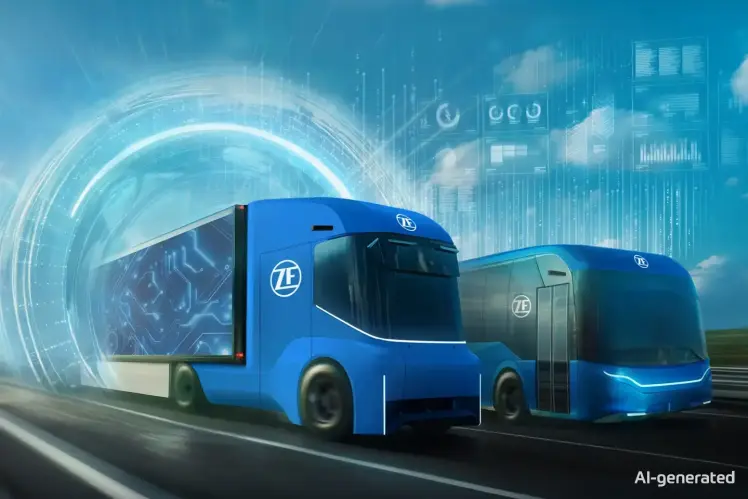
The commercial vehicle of the future becomes reality with a low-risk, stepwise approach. Rather than relying on disruptive change, ZF follows a clear path from today’s vehicle platforms to intermediate solutions and ultimately to a fully software-defined future. This journey is brought to life through practical applications that combine motion and safety intelligence. From 360° safety systems to electrified and hybrid drivetrains and software-enabled vehicle capabilities, ZF showcases how innovation delivers measurable value today.
Impressions from the IAA Transportation 2026
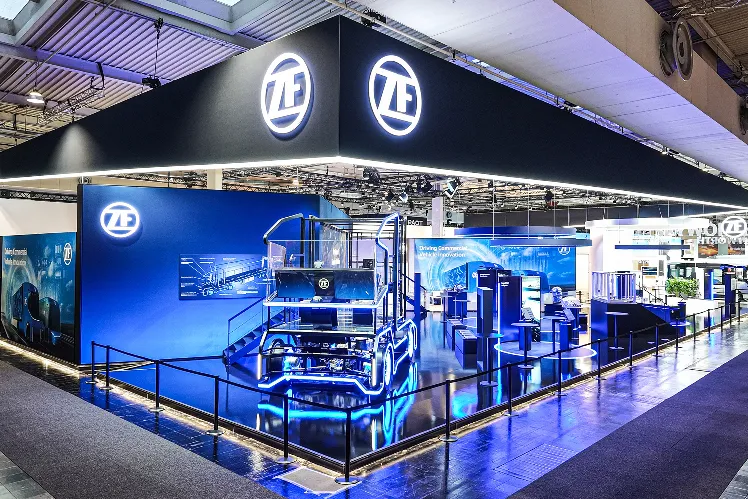
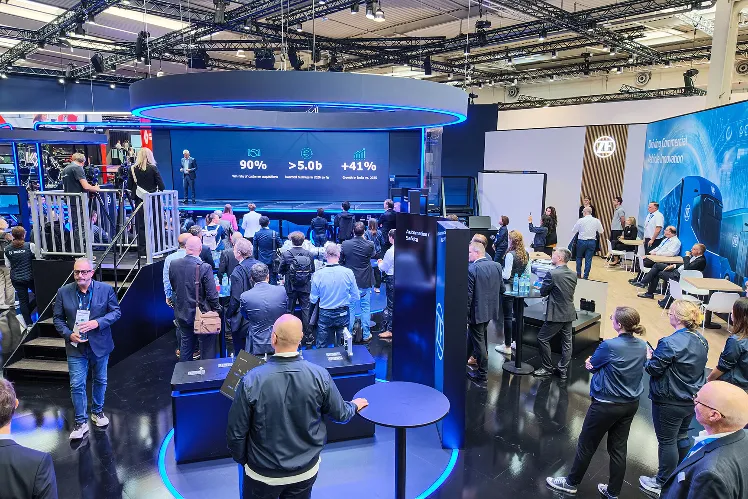
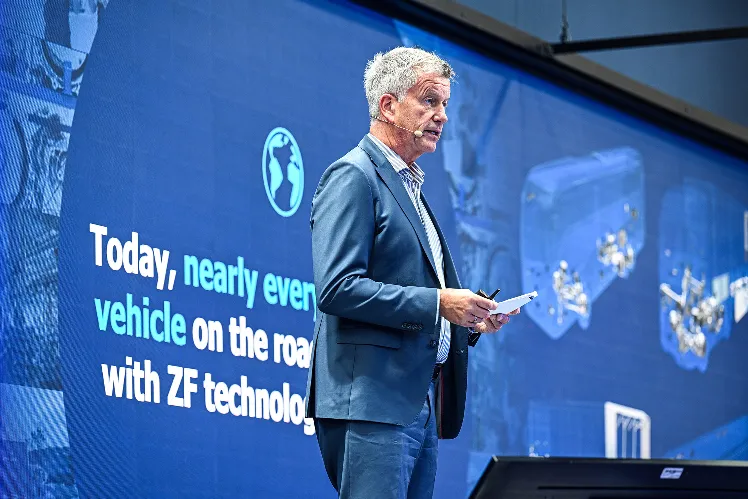
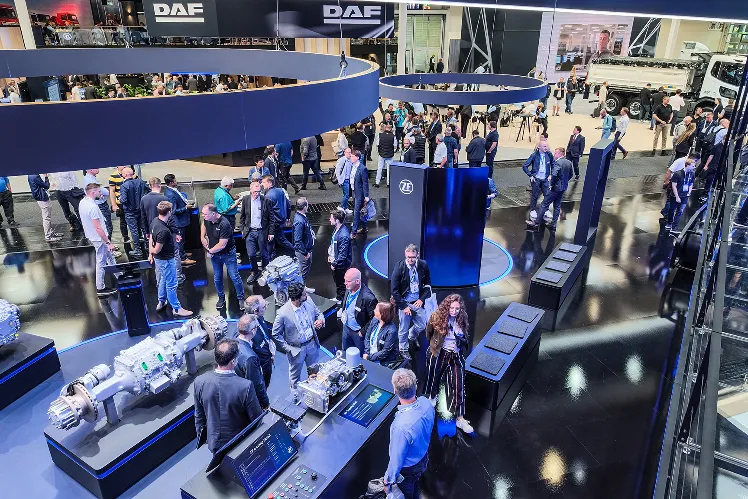
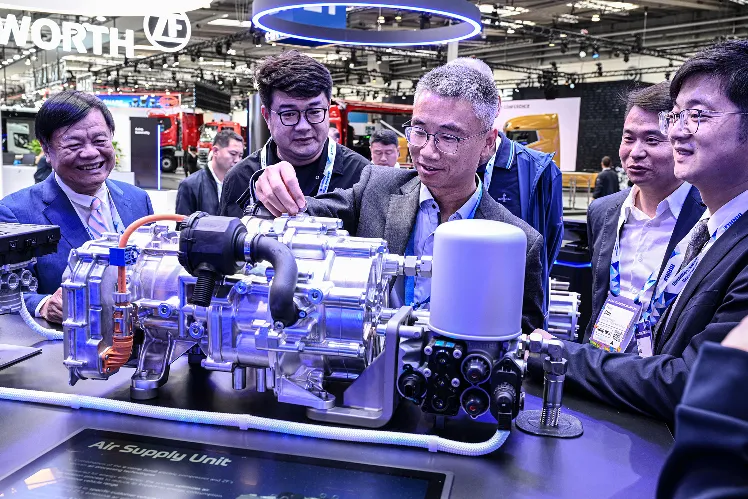
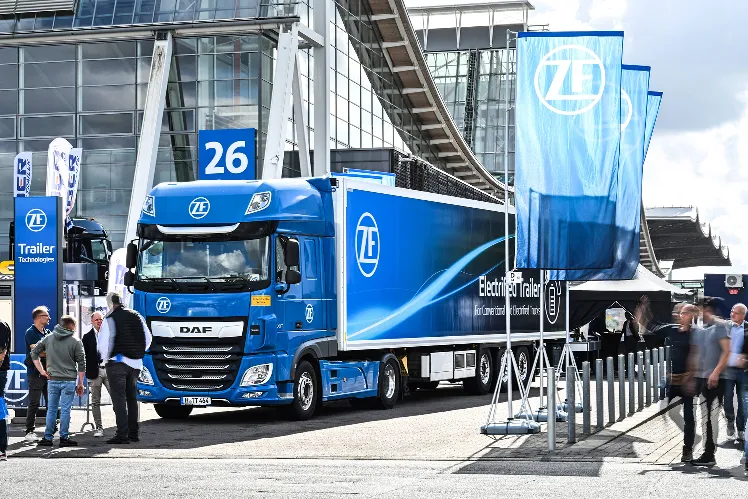
The commercial vehicle industry continues its transformation towards zero-emission, zero-accident and software-defined vehicles. At IAA Transportation 2026 ZF presented its latest technologies and demonstrated how strong customer trust, technology leadership and market success go hand in hand.
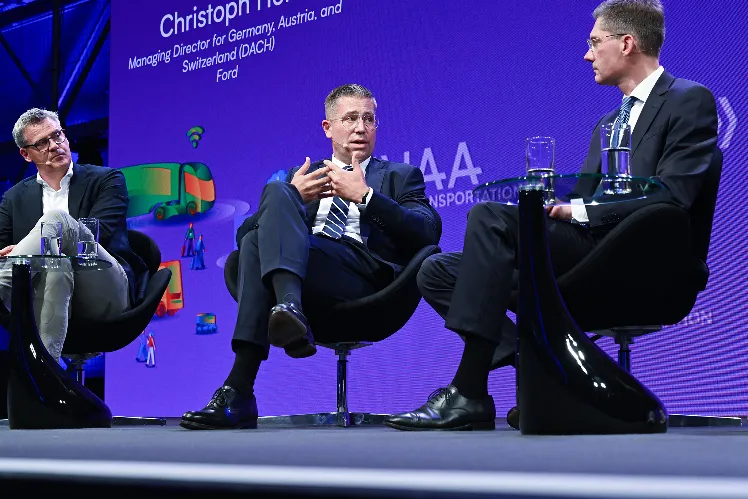
Software-defined Commercial Vehicle
Smart Commercial Vehicle Operations
Yard operations are difficult due to tight spaces, mixed traffic (trucks, pedestrians, forklifts), frequent stop-and-go movements, and limited visibility. At the same time, driver shortages intensify the need to move vehicles faster, safer, and with fewer resources, making traditional unassisted operations increasingly unsustainable.
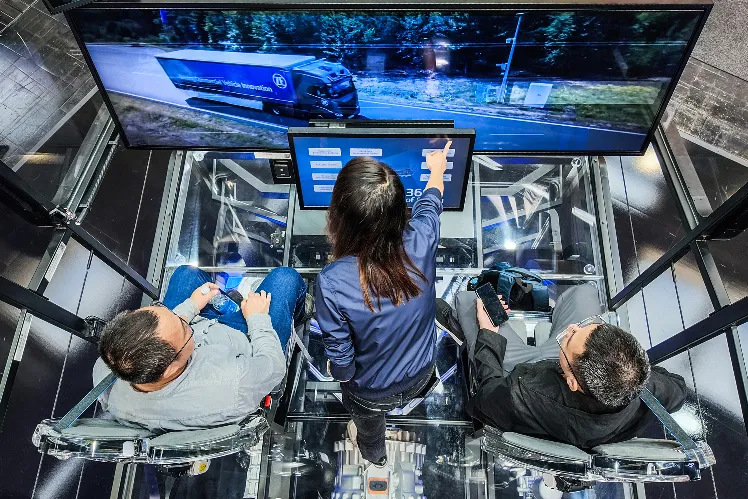
ZF showcases the SdV Driver Terminal proof of concept where seamless Vehicle-to-Infrastructure connectivity and software-defined functions enable safe, efficient, and scalable interactions between vehicle systems (such as the parking brake) and external infrastructure, improving loading safety, speed, and overall operational efficiency. This is part of ZF’s strategic competency development to prepare its core chassis systems for future needs of the SdCV.
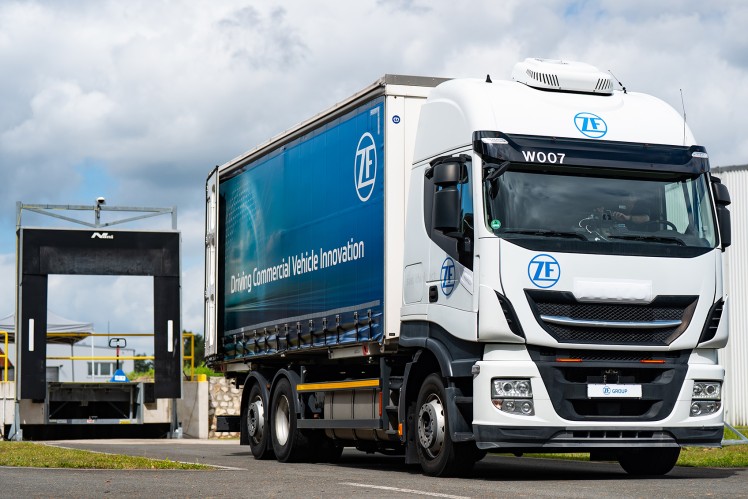
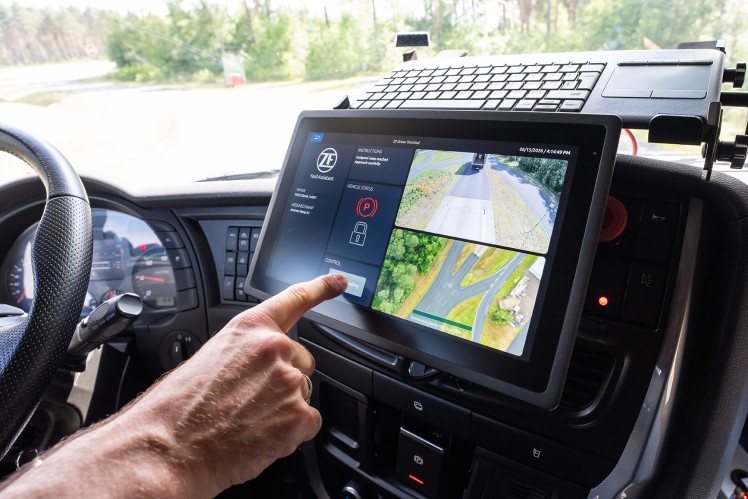
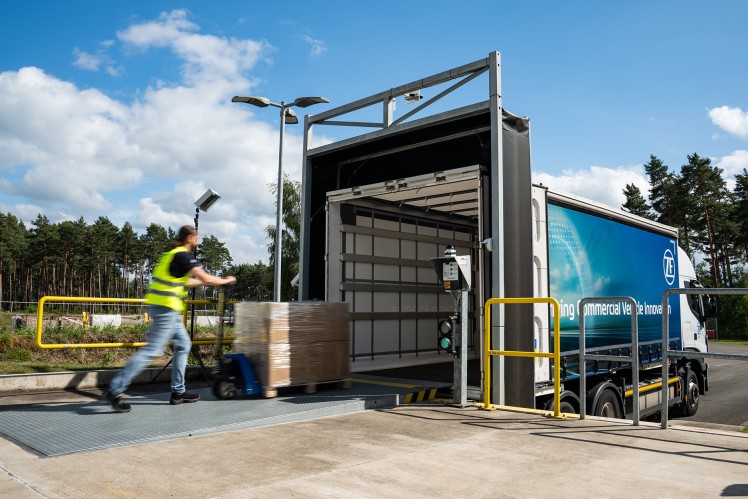
For OEMs, software‑defined vehicles and Vehicle‑to‑Infrastructure connectivity unlock new use cases beyond highways. For fleets and cities, it reduces accidents, boosts asset utilization, speeds turnaround times and ensures resilient operations despite driver shortages.
Ivan Brajdic, Head of R&D, offers deeper insights into the topic.
Automation and Safety
360° Safety from Highway to Yard
Commercial vehicles operate in highly diverse environments – from high-speed highways and dense urban traffic to low-speed yard operations with pedestrians, forklifts, and trailers. Blind spots, limited visibility, and complex maneuvers remain major causes of accidents, including those involving vulnerable road users. By definition, trucks and trailers are separate vehicle units that need to be connected for surround sensing.
ZF combines state-of-the-art sensing and perception into a unified 360° object detection system across truck and trailer. Enabled by high-speed connectivity, truck and trailer function as one integrated system – from highway driving to precise yard maneuvers. Safety technology is evolving from warning – only systems to active intervention, enabling omni-directional collision avoidance in real-world operations.
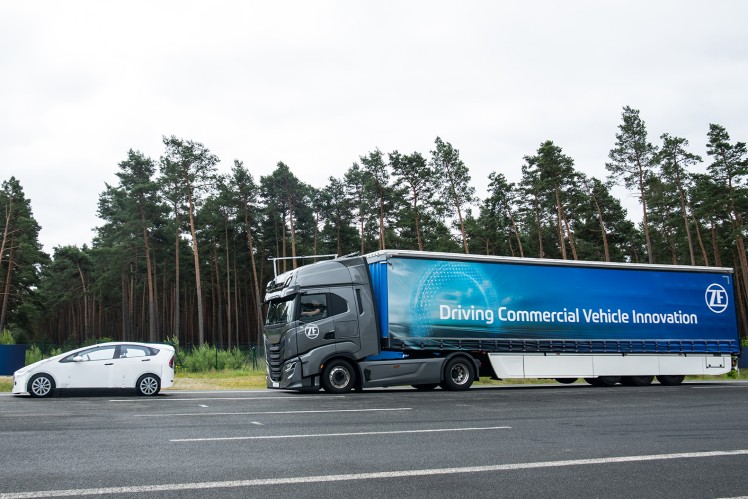
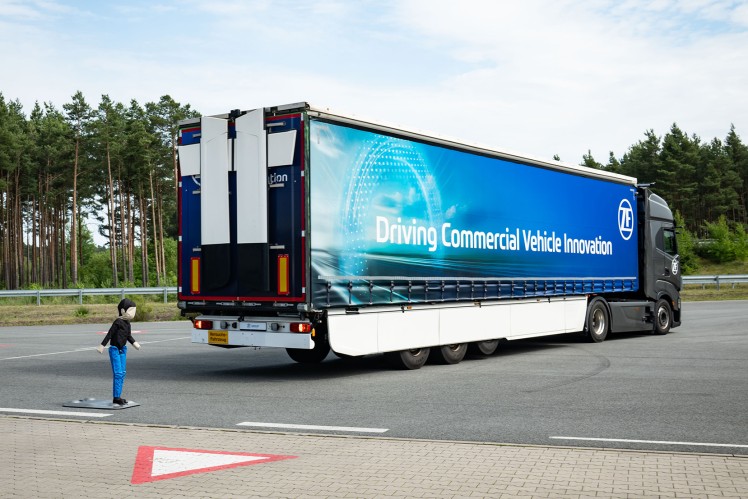
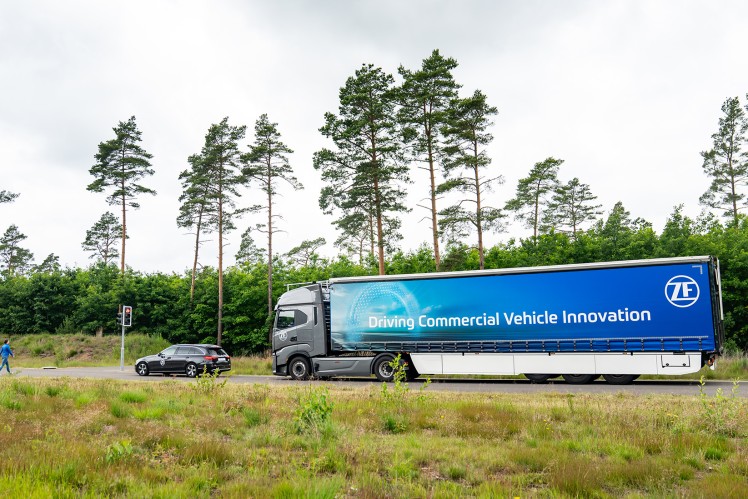
ZF combines advanced sensing and perception into a unified 360° object detection system for truck and trailer – from highway driving to complex yard maneuvers – while safety evolves from warnings to active, omnidirectional collision avoidance.
Dr. Thomas Dieckmann, Technology & Innovation Officer, gives more insights.
Decarbonization and Electrification
Decarbonizing Truck Operations
Heavy-duty transport must cut CO2 and emissions while maintaining range, performance and operational flexibility. Full electrification is not always feasible due to cost, infrastructure and duty-cycle constraints, especially over the next decade. OEMs and fleets need a scalable, economical transition technology that fits existing platforms and diverse applications.
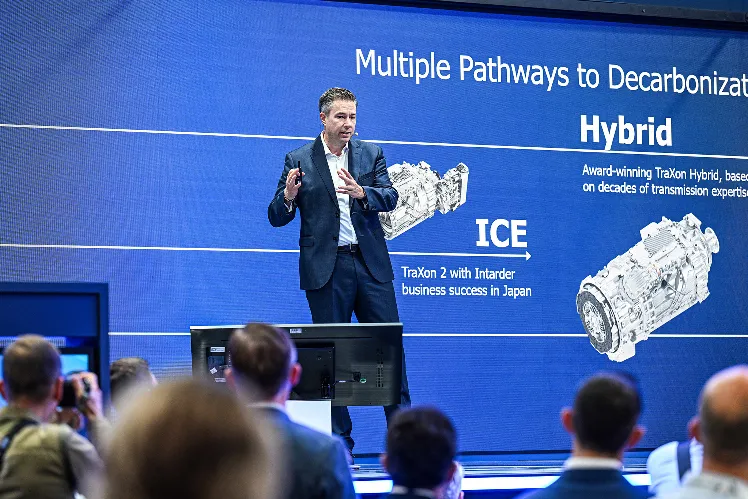
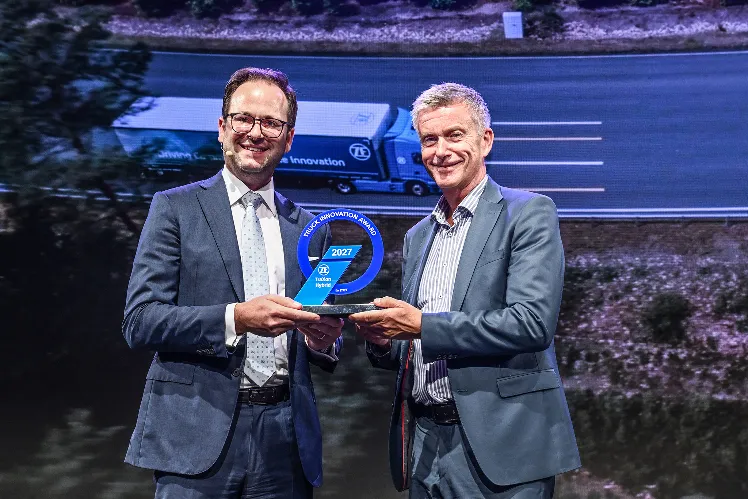
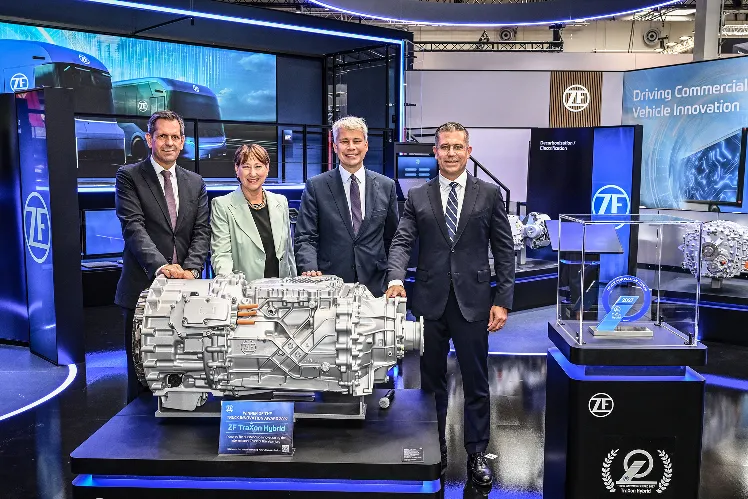
TraXon 2 Hybrid demonstrates that hybrid powertrains are a viable bridge for heavy-duty vehicles. The transmission concept connects conventional and electric drivetrains, preserving performance, range and total cost of ownership. Designed for full-hybrid and plug-in hybrid architectures, it enables electric driving, supports Euro 7 compliance through optimized engine operation and recuperation, and helps OEMs and fleets electrify with lower complexity and clear operational value.
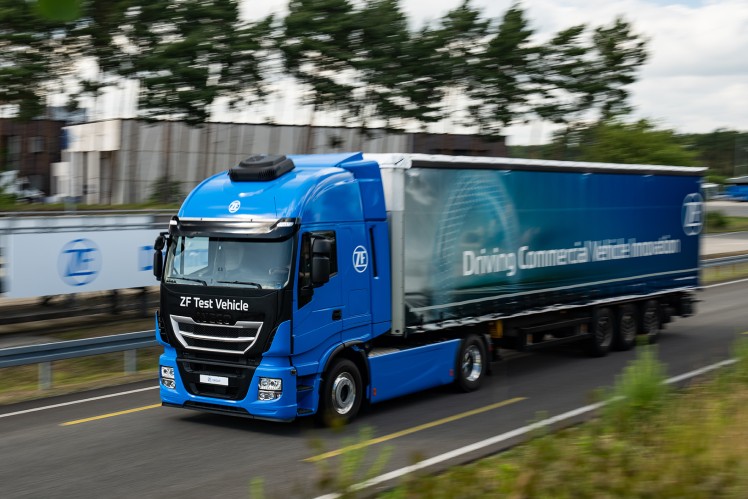
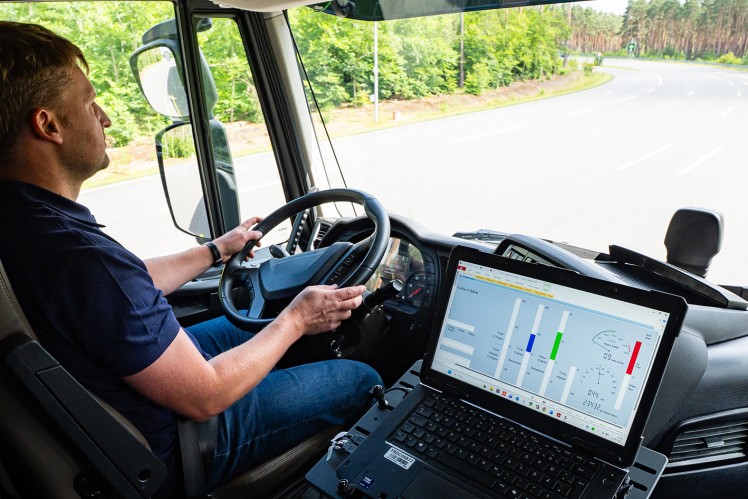
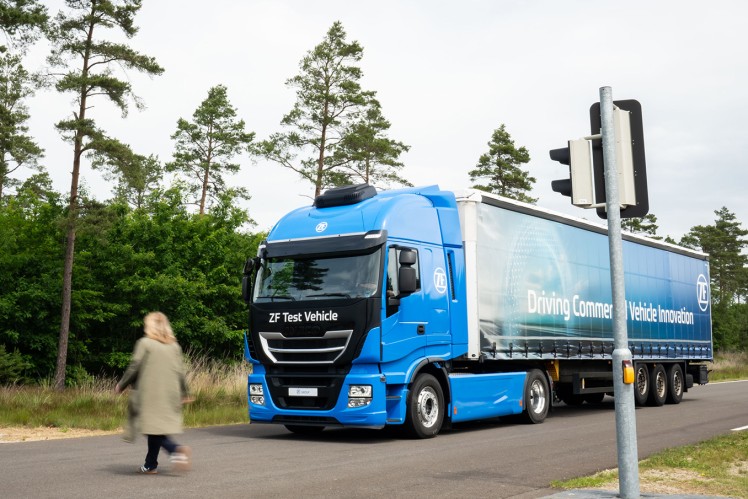
TraXon 2 Hybrid demonstrates that hybrid powertrains are a viable, cost‑effective solution for heavy‑duty vehicles. This transmission system bridges conventional and electric drivetrains, preserving performance, range and TCO, while enabling full and plug‑in hybrid electric driving.
Watch the video with Dr. Matthias Holzer, Global Head of Strategy, Product Segment Transmissions & Hybrids, to learn more.
Safety and Decarbonization
Safe and Smart Bus Operations
City buses operate under constant pressure in dense urban traffic with vulnerable road users, frequent stops and rising accessibility demands. Bus stop approaches are especially complex, combining safety critical maneuvers, passenger interaction and tight schedules, while drivers must maintain full control and comfort for standing passengers. As compressed air remains essential, noise from auxiliaries such as compressors remains a challenge as well.
ZF supports the driver during everyday operations with software-integrated systems, without changing the basic vehicle architecture. CDC Skyhook improves ride comfort and stability, whereas City Bus CMS combines state-of-the-art detection and braking assistance to mitigate collisions or prevent them altogether. At bus stops, City Bus Assist helps drivers through curb detection and steering assistance. Its intelligent kneeling behavior enhances accessibility and overall safety. ZF’s electric air compressor e-comp Scroll operates at a low noise level and supports quiet and comfortable operation in stop-and-go urban traffic.
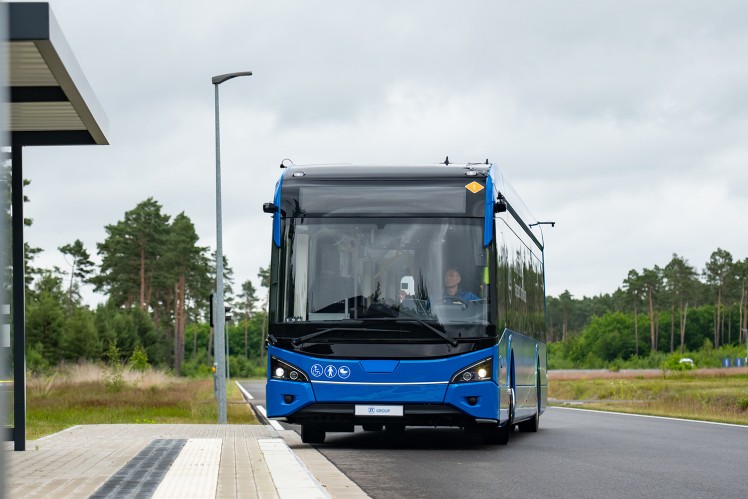
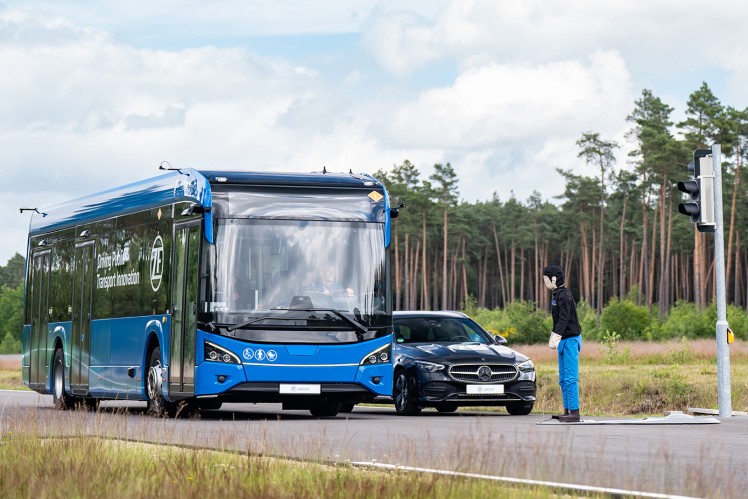
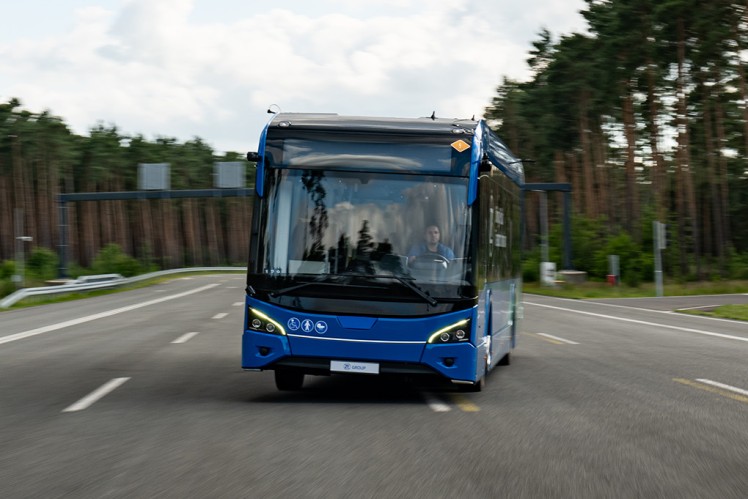
The software‑based integration of ADAS, braking, chassis and steering functions makes city bus operations safer and more efficient. Coordinated systems support demanding bus stop maneuvers while improving comfort, accessibility and passenger protection.
Christoph Barth, Engineer for Global Innovation Domain Automation & ADAS, explains in the video exactly how it works.
Press
ZF at IAA Transportation 2026
The commercial vehicle industry continues its transformation towards zero-emission, zero-accident and software-defined vehicles. At IAA Transportation 2026 ZF Commercial Vehicle Solutions (CVS) demonstrates how strong customer trust, technology leadership and market success go hand in hand.