









2025 – Further Development of Technology
- Roll-out at additional plants
- Implementation of further functions
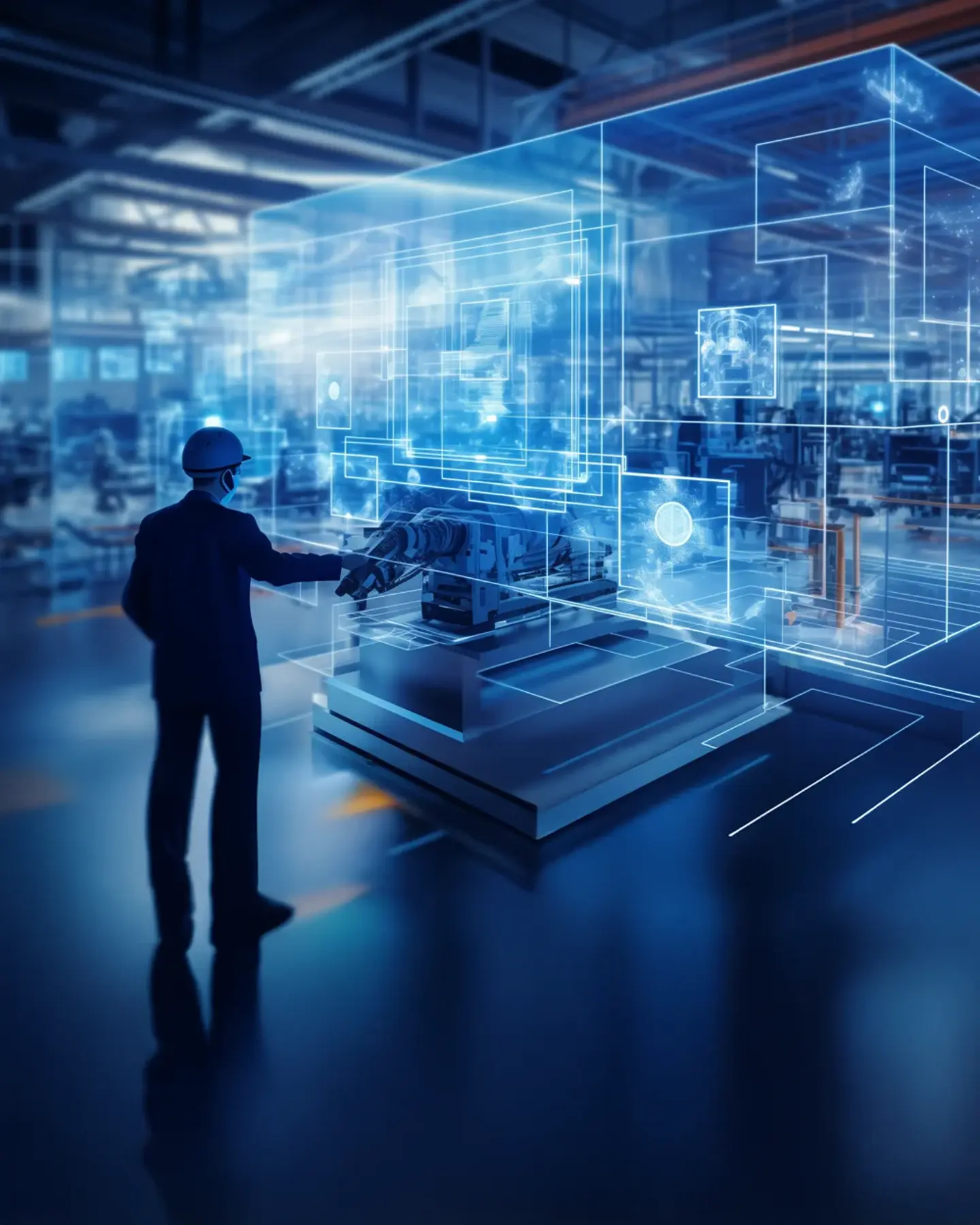
The cross-plant integration and easy scalability of the DMPs make ZF independent of local infrastructure. They help to reduce production costs and make optimal use of warehouse stock. In the long term this should increase production output and quality, and the workforce should be deployed more efficiently.
DMP supports the following application areas:
The platform is making a decisive contribution to the group's goal of making mobility sustainable and affordable. The end-to-end digitization of production offers a decisive competitive advantage: in times of fluctuating demand and strained supply chains, it is essential to be able to quickly adapt production. The cloud-based availability of data also makes it easier for ZF to respond to these challenges.
Central cloud solution for a decisive competitive advantage: The DMP
ZF has already connected more than 120 plants with over 15,000 machines to the DMP and successfully rolled out over 15 applications. The platform ensures fast and reliable production processes and increases flexibility. This enables the company to process orders faster, respond more quickly to market developments, and meet individual customer requirements more precisely.
Furthermore, the DMP is characterized by an end-to-end data platform. Master data, Enterprise Resource Planning (ERP) data, and machine data are centrally managed and made available to all applications. This enables the optimization of production processes, the reduction of maintenance costs, the prediction of equipment failures, and the improvement of material availability across large parts of the internal supply chain.
In addition, the central data platform enables production processes to be analyzed in near real time. Advanced algorithms and closed-loop control systems identify bottlenecks and improvement opportunities at an early stage. This allows production operations to be continuously optimized.
All ZF plants should be connected to the DMP by the end of 2026.
By 2026, all plants are to be connected to the DMP, significantly improving processes. However, this marks only the achievement of the first objective: establishing a unified foundation for smart manufacturing and securing a leading position in international comparison.
The platform is continuously evolving from a technological perspective. This includes the standardization of data communication as well as the growing adoption of AI applications directly at the data source within the plan.


