Acting for all People Acting for all People

Acting for all People

Sustainability@ZF

Together for More Fairness, Respect and Safety

We stand up for equality, inclusion and diversity and reject any form of discrimination. Respect for human rights is indispensable for ZF, both at ZF and among our business partners. We put people at the center of our actions and feel responsible as a company for our own employees, as well as for the people who work with us along the value chain. The highest standards apply at ZF for the protection of health and safety in the workplace. We make the best possible use of the individual strengths and diversity of our employees worldwide. In addition, we take our social responsibility very seriously and are involved in various social projects around the world.

Employee development and diversity

Employee Development and Further Training

The development and satisfaction of our employees are essential factors for ZF’s innovation capability and success. We offer a variety of programs and tools to promote the personal and professional advancement of our employees.

Our Performance, Potential and Succession (PPS) process, along with similar local processes, forms the framework for our personnel development measures. This process involves assessing performance, discussing future development measures and evaluating a candidate’s potential for positions with more responsibility. In Strategic Talent Reviews, the candidates’ progress is regularly discussed, and development measures are decided. These conferences also address succession planning by assigning successors to critical positions.

Every employee has access to a wide range of e-learning and trainer-led courses on, for instance, e-mobility, sustainability, digitalization and various other areas. Many corporate functions have their own academies with specific trainings on topics such as quality, research & development or sales. Additionally, the “Essentials Academies” offer the opportunity to learn soft skills as well as leadership skills or languages. Employees can also find a mentor through our globally available mentoring program. Employee Engagement Surveys regularly capture employee satisfaction, leading to the implementation of improvement measures.

To promote specific talent groups, ZF offers Global Strategic Talent Pools, which make participants more visible and provide them with possibilities for networking and various types of training. There are talent pools for specific functions such as finance or program management, divisional talent pools and global talent pools for all areas. An example for this is our talent pool on digitalization. The Internal Placement Policy, which facilitates internal recruitment and career steps within the company, aims to promote the development of these talents.

We offer special programs for managers, such as “readytolead” for newly appointed supervisors. Another example is the ZF Inclusive Leadership Program, which shows leaders how to create an inclusive work environment. Our organizational development team supports managers with consulting and coaching on topics such as restructuring or leading an intercultural team.

ZF is also committed to training and dual studies. The company invests in employees at all levels for the future. We believe that the continuous promotion of our employees not only develops them personally but also has a positive impact on our company and society.

Diversity and Inclusion

As a global player, ZF believes in its responsibility to promote diversity and tolerance in its own business and in the value chain. Where national legislation deviates from our fundamental principles, we set a good example and take responsibility.

ZF does not tolerate any form of discrimination. In our ZF Code of Conduct, which is available in 27 languages, we oppose exclusion or unequal treatment, based on gender, skin color, religion, age, nationality, social and ethnic origin, pregnancy, disability, ideology, sexual orientation, and political and trade union activity.

Diversity & Inclusion

Diversity and inclusion enhance our creativity, increase our innovational power, and are key to business success. We offer equal opportunities in a diverse working environment.

Keeping People Safe

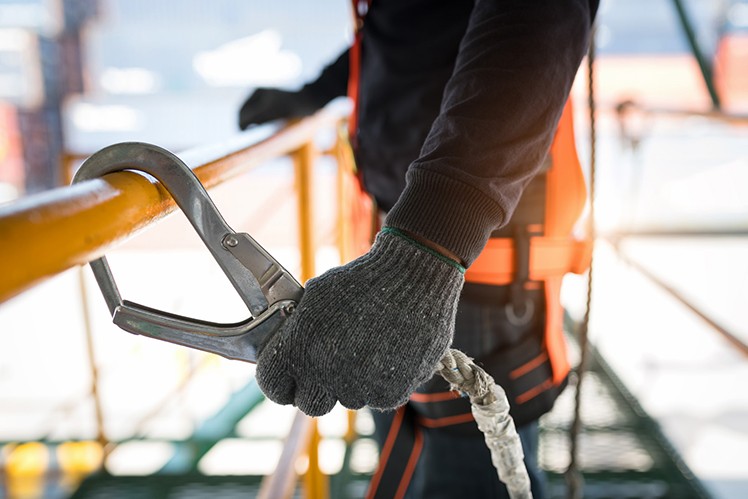
Zero accidents and the highest possible level of health protection for all employees within the company have a high priority. Our goal is to rank among the companies with the best safety performance indicators in our industry. A well-equipped EHS management system with a variety of programs helps reduce risks and ensures compliance with regulations for both people and the environment.

Health Protection and Accident Prevention

As a company that is particularly committed to road safety with a vision of zero accidents, safety in our own company is also a top priority for us. That's why our standard for occupational safety is: zero accidents.

Effective health protection and accident prevention can protect employees from a wide range of hazards and damage to health in the workplace. At ZF, the safety, health, and well-being of all employees are integral values of the corporate culture. This applies regardless of whether they are directly employed or work for the company as temporary workers.

Continuous Improvement Through Standardized Programs

Numerous programs and centers of excellence have been implemented to further improve occupational health and safety. For example, the EHS management system includes mandatory requirements as well as guidelines that address environmental, occupational health and safety management issues for all ZF locations worldwide. Progress is evaluated through self-assessments and as part of the EHS Corporate Audit Program.

Safety Excellence covers three key areas: Leadership in Occupational Safety (Safety Leadership), Employee Involvement (Behavior Based Safety), and Continuous Improvement of the EHS Management System, which also encompasses other programs, such as Ergonomics and Machine Safety.

The Safety Leadership Program is a global program aimed at improving managers' awareness of occupational safety. In this way, we promote a sustainable safety culture by identifying opportunities in the program for managers to influence improvements in occupational safety and teaching them how to fulfill their role model function.

Behavior Based Safety (BBS) aims to get employees more involved in safety by coaching each other and making them aware that everyone's behavior at work plays a big role in overall safety.

The software-based ergonomics program includes e-learning, ergonomic risk assessment and best practice solutions, and a video analysis tool. The aim is for the Group to have no more workplaces with a high ergonomic risk by 2025 and to reduce medium-risk workplaces to a proportion of less than 10 percent.

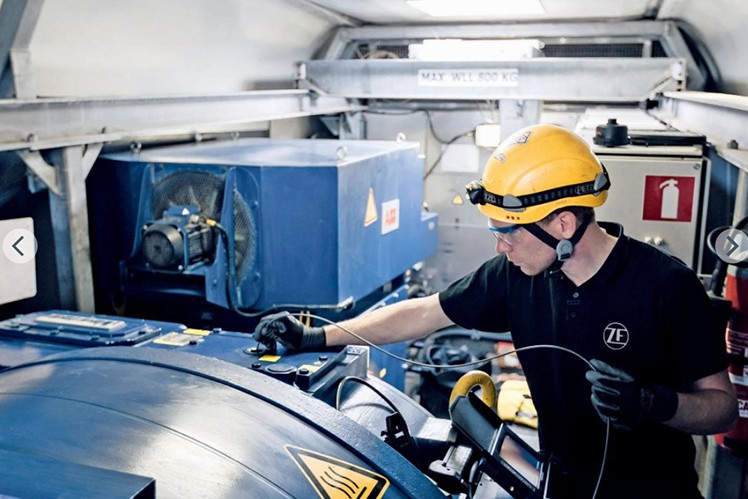
Our safety standards on machines are high, and accidents mostly occur due to incorrect operation. A global team of experts not only checks compliance with safety standards, but also works to improve the operation of machines beyond legal requirements.

Preventing Accidents

As a Group, we have defined specific targets to further maintain, protect and promote the health, well-being and satisfaction of our employees. In terms of accident rates, we aim to be among the companies with the best accident figures in our industry.

Work-related accidents are recorded and thoroughly investigated for their causes. To prevent future accidents throughout the Group, safety alerts are shared via the EHS intranet with a summary of the event, its causes, and the preventive measures taken.

For ZF, occupational safety does not stop with our own workforce. We also want to maintain our EHS performance at a very good level along the supply chain. This applies above all to suppliers who provide services at the ZF locations. Contractors are selected based on their proven ability to perform safety-critical activities.

Involvement of Employees

The EHS management system provides for employees and their representatives to be actively involved in EHS initiatives and decision-making processes and to be involved in the continuous improvement of occupational health and safety. Employees are encouraged to report near misses and unsafe situations and to participate in activities such as risk assessments, kaizen workshops and suggestion schemes. They also have access to the general ZF Trustline to report health and safety complaints. These reports are treated in strict confidence.

Human Rights and Working Conditions

Fairness and transparency have long been important principles for ZF. This also includes a clear commitment to internationally recognized human rights. Our actions are guided by international standards and frameworks that put rights holders at the center and help us to systematically fulfill our duty of care.

Managing Human Rights Professionally

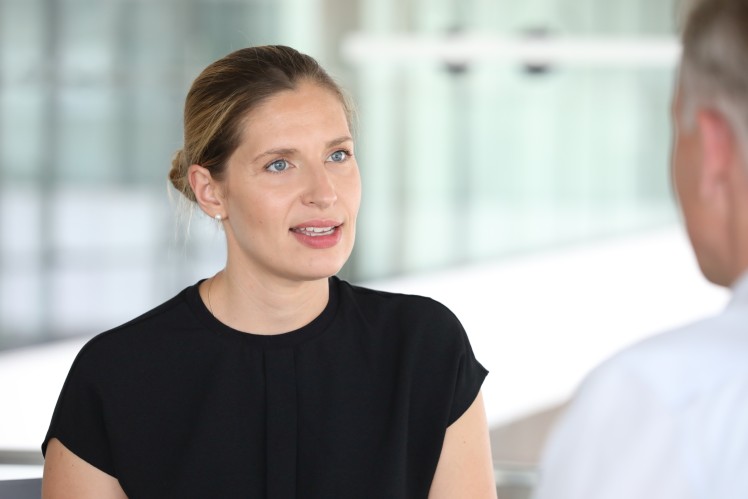
Sustainable business includes adhering to human rights. ZF is also liable for its suppliers – worldwide. Jasmina Brancazio, Human Rights Officer at ZF, discuses protective measures and challenges.

Our " Policy Statement on Respect for Human Rights (PDF: 6 MB)" is our commitment to society and the environment.

Our first Policy Statement on Respect for Human Rights (PDF: 6 MB) was signed on March 26, 2020, and is updated regularly. It illustrates the strategic approach and gives an insight into the responsibilities and processes with which we advance the protection and promotion of human rights in all our business activities.

Our membership in the United Nations Global Compact, which we have held since 2012, also underscores that recognizing human rights is a matter of course for a global technology company like ZF.

Both in our dealings with each other and with our business partners, we place great value on mutual respect and trust. We respect the dignity, privacy, and personal rights of every individual. This is reflected in our Code of Conduct (PDF: 10 MB), which applies to all employees, as well as in our Business Partner Code of Conduct (PDF: 7 MB).

Code of Conduct

The code of conduct underpins ZF’s principles of business behavior.

Business Partner Code of Conduct

Prevent risks jointly with business partners and maintain the trust of customers.

These guidelines as well as further key documents comply with the applicable principles and conventions, as the Principles of the UN Global Compact, the OECD Guidelines for Multinational Enterprises, the Universal Declaration of Human Rights, the UN Guiding Principles on Business and Human Rights, and the relevant conventions of the International Labor Organization (ILO).

We report our progress in the UK Modern Slavery Act (PDF: 3 MB), California Transparency Act (PDF: 64 kB), Canadian Modern Slavery Report Bill (S-211 Report) (PDF: 4 MB) as well as in the Sustainability Report.

In order to review constantly what has been achieved and adjust targets, ZF has established a Human Rights Working Group. This cross-functional working group is important for further developing and implementing the strategy. The group also acts in an advisory role and acts as a multiplier within the Group.

We are committed to abolishing slavery, forced labor and exploitative child labor. After all, ZF stands for fair working conditions, equal rights, and fair pay along the entire value chain.

Through internal and external communication, but also through participation in stakeholder dialogs, we contribute to bringing the issue of human rights further into society.

Due-Diligence

Many countries, including the United States of America, Canada, Mexico and Germany, have enacted additional laws to step up their existing human rights laws and prevent the import of goods manufactured under forced labor. These laws have an impact on supply chains. This is why they require appropriate attention and transparency from every partner in the supply chain.

Within the scope of its human rights due diligence, ZF works with its own risk management process. It identifies the risks of negative impacts on human rights and prioritizes them based on various suitability criteria.

  • Identification of risks according to country-specific human rights risks and risks associated with various raw materials.
  • Risk assessment and prioritization according to suitability criteria (e.g., on the basis of the probability of occurrence, severity and our potential contribution to the cause).

ZF has joined the Responsible Supply Chain Initiative e.V. (RSCI), an initiative for sustainable supply chains in the automotive industry. RSCI has defined a standard and developed a central platform for a standardized sustainability assessment of production sites. The initiative also carries out on-site inspections. As the results of audits already conducted by other companies are recognized, the RSCI standard helps to avoid multiple inspections.

ZF is also a founding member of the “Mecanismo de Reclamación de Derechos Humanos” (MRDH). This is a pilot project for a cross-company complaint mechanism in Mexico. MRDH was developed jointly by government institutions, trade unions, civil society, businesses and human rights institutions – both from Germany and Mexico. The MRDH provides a common and standardized complaint platform for the entire supply chain of its member companies. This will improve access to remedies and the identification of systemic risks.

Other critical issues in the supply chain, such as child labor, human rights violations or environmental protection violations must be reported via the ZF Trustline. We inform our suppliers about this whistleblower system, among other things, in our Business Partner Code of Conduct (PDF: 7 MB).

Responsibility in the Value Chain

To ensure that ZF's key requirements for value-oriented cooperation are met, all suppliers must accept the ZF Business Partner Code of Conduct. It includes topics such as human rights, labor standards, occupational safety and health, environmental protection, business ethics and compliance. These principles are in line with national and international laws, conventions and guidelines such as the UN Global Compact, the OECD Guidelines for Multinational Enterprises, the Universal Declaration of Human Rights, the UN Guiding Principles on Business and Human Rights, and the conventions of the International Labour Organization (ILO).

All suppliers are obliged to acknowledge the ZF Business Partner Code of Conduct. In particular, we expect our business partners to reject any form of slavery, forced labor and child labor. Likewise, ZF expects them to respect the freedom of association and the right to form interest groups, to remunerate work fairly and appropriately, to adhere to working hours in accordance with applicable law, and to promote the qualification of their employees. In accordance with the ZF Code of Conduct, suppliers must comply with all applicable laws and ensure that this is also the case in their supply chains.

In order to remain a ZF supplier or become a new supplier, business partners must adhere to the ZF Code of Conduct. ZF reserves the right to scrutinize business relations and take appropriate action if deviations or violations are identified.

The Supplier Quality Directive (QD83) and the Global Logistics Directive (GLD) outline the environmental responsibility in the value chain and address product-related environmental protection aspects. They also cover directives such as the EU Chemicals Regulation (REACH) as well as logistics and packaging specifications. These directives also apply to sub-contractors.

Working with our supply chain partners is key to our success. We work closely with our suppliers and support them in restructuring and creating a new sustainability culture. To achieve the best possible performance in sustainability, we enhance collaboration, for example with pilot projects, promote and reward best practices, develop supplier guidelines and offer support through training.

The sustainability performance of its suppliers is of crucial importance to ZF. We promote climate neutrality goals and social topics, such as the respect for human rights. Here, ZF pursues ambitious targets for its own company as well as for its suppliers and has already implemented numerous sustainability measures.

To evaluate the sustainability performance of suppliers, ZF introduced the ZF Sustainability Score. This fully digital solution requires compliance with the minimum sustainability requirements. For this purpose, the ZF Sustainability Score measures sustainability performance based on various key input factors.

The Sustainability Score provides us with transparency in the areas of decarbonization and social responsibility and sets new sustainability standards for suppliers.

To ensure that our suppliers meet our sustainability expectations, we have introduced Sustainability Bid Conditions. This includes specific requirements for climate and environmental protection as well as requirements for social responsibility and responsible sourcing. Suppliers of production material are required to accept the tender conditions.

Handling Critical Raw Materials – a Central Task of ZF

Critical Raw Materials (CRM) are raw materials of high strategic importance that are associated with high supply risks. This also includes environmental and social concerns. Within the value chain, the phases of raw material extraction and production pose the highest risk for human rights violations, environmental pollution or poor working conditions. In order to avoid or at least mitigate such risks, ZF is working with its business partners to ensure the responsible sourcing of critical raw materials. This is achieved through greater transparency in the supply chain, traceability of raw materials and circularity; all in line with ZF's sustainability goals and applicable international legislation.

As one of the most effective measures for risk mitigation, ZF is working on considering ESG risks already during product development. The objective is to reduce or eliminate the proportion of critical raw materials in ZF products.

In order to ensure the highest standards for responsible procurement, ZF also participates in multi-stakeholder initiatives such as SUSMAGPRO or in the Automotive Industry Sector Dialogue. The SUSMAGPRO project focuses on the recycling of magnets containing rare earths. The activities of the Automotive Industry Sector Dialogue include the development of guidelines for the integration of voluntary sustainability standards in CRM supply chains.

In addition, ZF has established a special due diligence procedure for conflict minerals, cobalt, and mica. This is because the mining and trading of these minerals may contribute to financing armed conflicts and serious human rights violations. As ZF is aware of these risks, the company strives to comply with environmental and human rights standards along the entire value chain. All relevant suppliers must disclose the origin of conflict minerals, cobalt and mica annually using the Conflict Minerals Reporting Template (CMRT) and Extended Minerals Reporting Template (EMRT) of the Responsible Minerals Initiative (RMI). The due diligence process follows the OECD Due Diligence Guidance for Minerals. This aims to identify, assess and eliminate high-risk sources of raw materials – that is, smelting plants and refineries that are not compliant with RMI's Responsible Minerals Assurance Process (RMAP). For more details on conflict minerals due diligence process, please refer to the Conflict Minerals Due Diligence Report 2024.

Acting for all people

Annual Report 2024: Sustainability

Find out more about our progress on sustainability in the current Sustainability Report, which is part of the ZF Annual Report.
When preparing the Sustainability Report 2024, we voluntarily aligned ourselves with the requirements of the European Sustainability Reporting Standards (ESRS) according to the Corporate Sustainability Reporting Directive (CSRD) which will be mandatory in the future.

The sustainability report has been prepared in accordance with the TCFD standards.

Further Information

EU OSHA Health Workplaces

ZF is an official campaign partner of the EU OSHAS Health Workplaces Campaign "Safe and healthy work in the digital age".

Human Rights in the Supply Chain

Declaration of Principles Concerning the Respect of Human Rights.