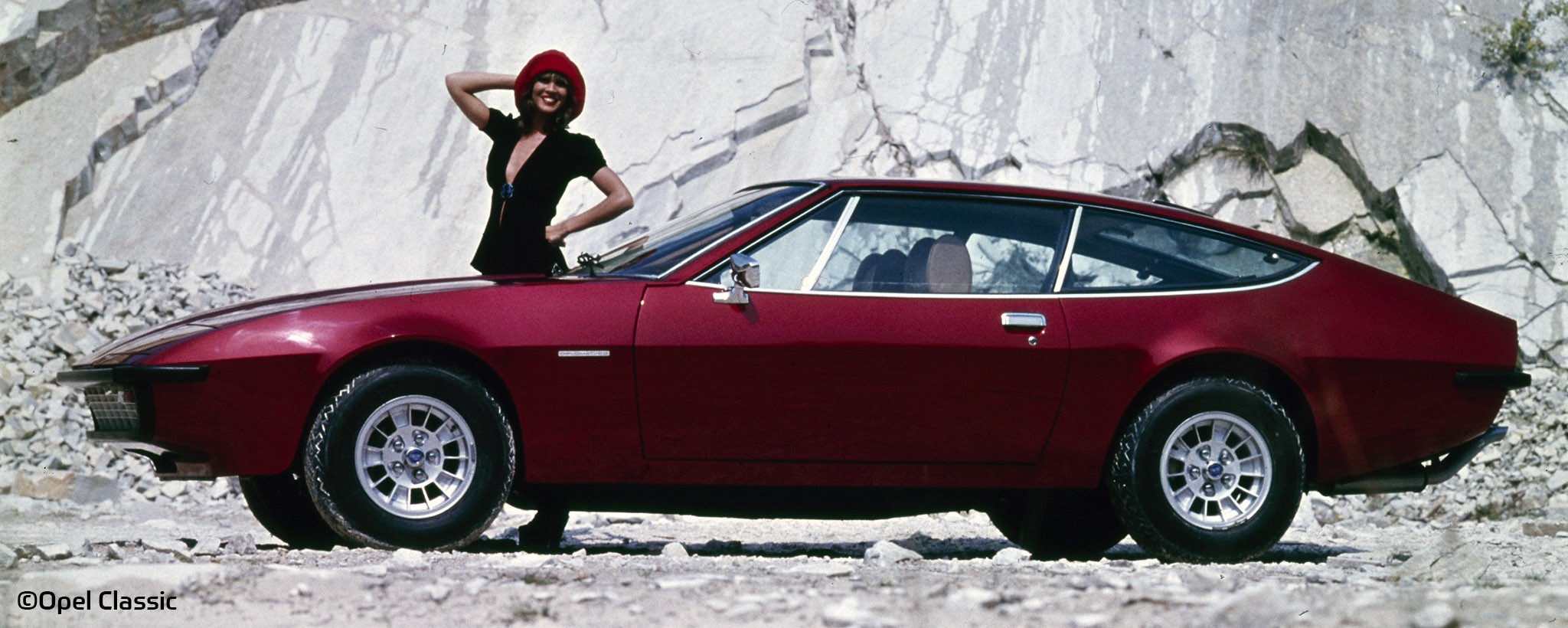
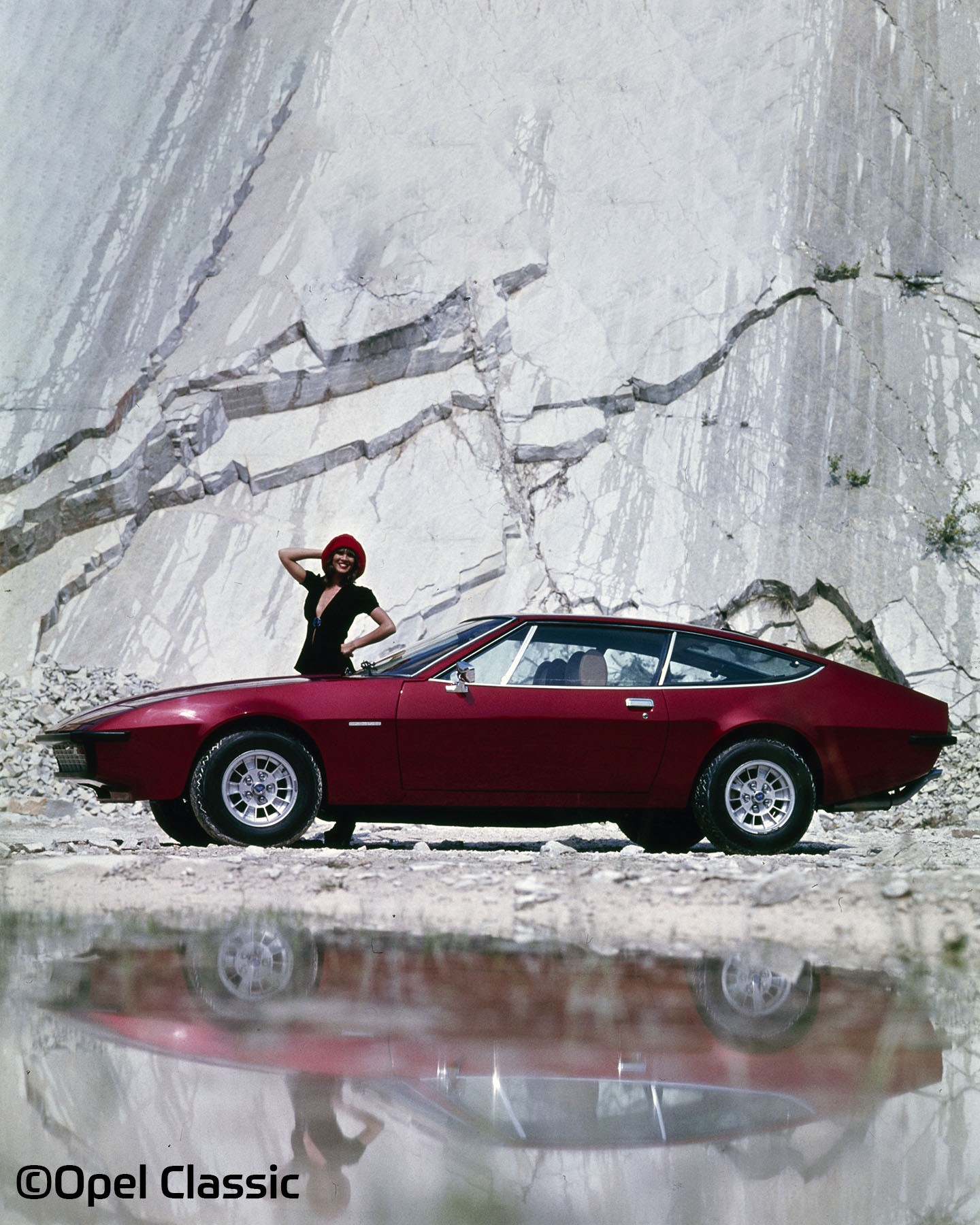
125 Years of Opel: Trendsetter with Tradition
Opel celebrates 125 years of automotive engineering - full of innovations for every customer. The brand stands for the tradition of bringing technical achievements to life in an intelligent way and moving quickly into series production. ZF products were not to be missed...
The Hessian manufacturer Opel celebrates 125 years of automotive engineering. However, the technical pioneer Adam Opel from Rüsselsheim was initially successful not with cars, but with sewing machines and bicycles. This trend formed the successful core business of the later manufacturer of many successful models. When Adam Opel died in 1895, his sons took over the company and entered the young automobile market in 1899.
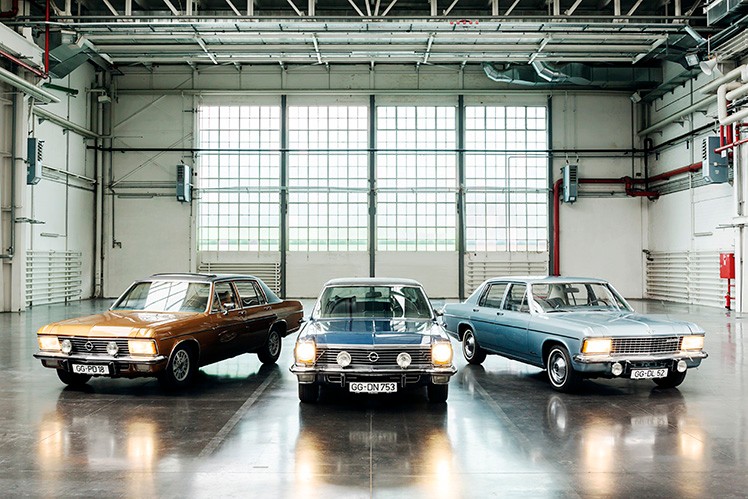
Opel celebrates 125 years - here with the Kapitaen.
1899: Opel Starts the Era of the Automobile
The automobile era for Opel began in 1899 with the “Friedrich Lutzmann Patent Motor Car System”. It was the first Opel car with 25 kilometers per hour and 3.5 hp and was initially only affordable for well-heeled customers. The first cars were truly handmade at the time. In 1923, Opel was the first German car manufacturer to switch to the new assembly line, making it a pioneer of modern car production. The assembly line brought an enormous competitive advantage with larger quantities and cheaper production.
At the beginning of the “golden twenties”, the Opel 4 PS “Laubfrosch” was introduced to the public. It was a sensation on four wheels: It was the first German car off the assembly line and became a cult car with its speed of 60 kilometers per hour. More than 100,000 units were produced.
However, the subsequent global economic crisis forced the Opel family to sell their company to the U.S. car manufacturer General Motors (GM) towards the end of the 1920s. From then on, the car manufacturer acquired an American design touch. Over the decades, Opel continued to set trends with new models and vehicle variants and created true bestsellers. ZF technology had been relied on since the early 1930s, initially in the 1.2-liter car. Opel also recovered quickly after the Second World War and proved to have a keen sense for trends. Germany drove the Olympia, Rekord and Kapitän. From 1962, Opel launched one of its most successful models, the Kadett - with the ZF S5-18/3 transmission.
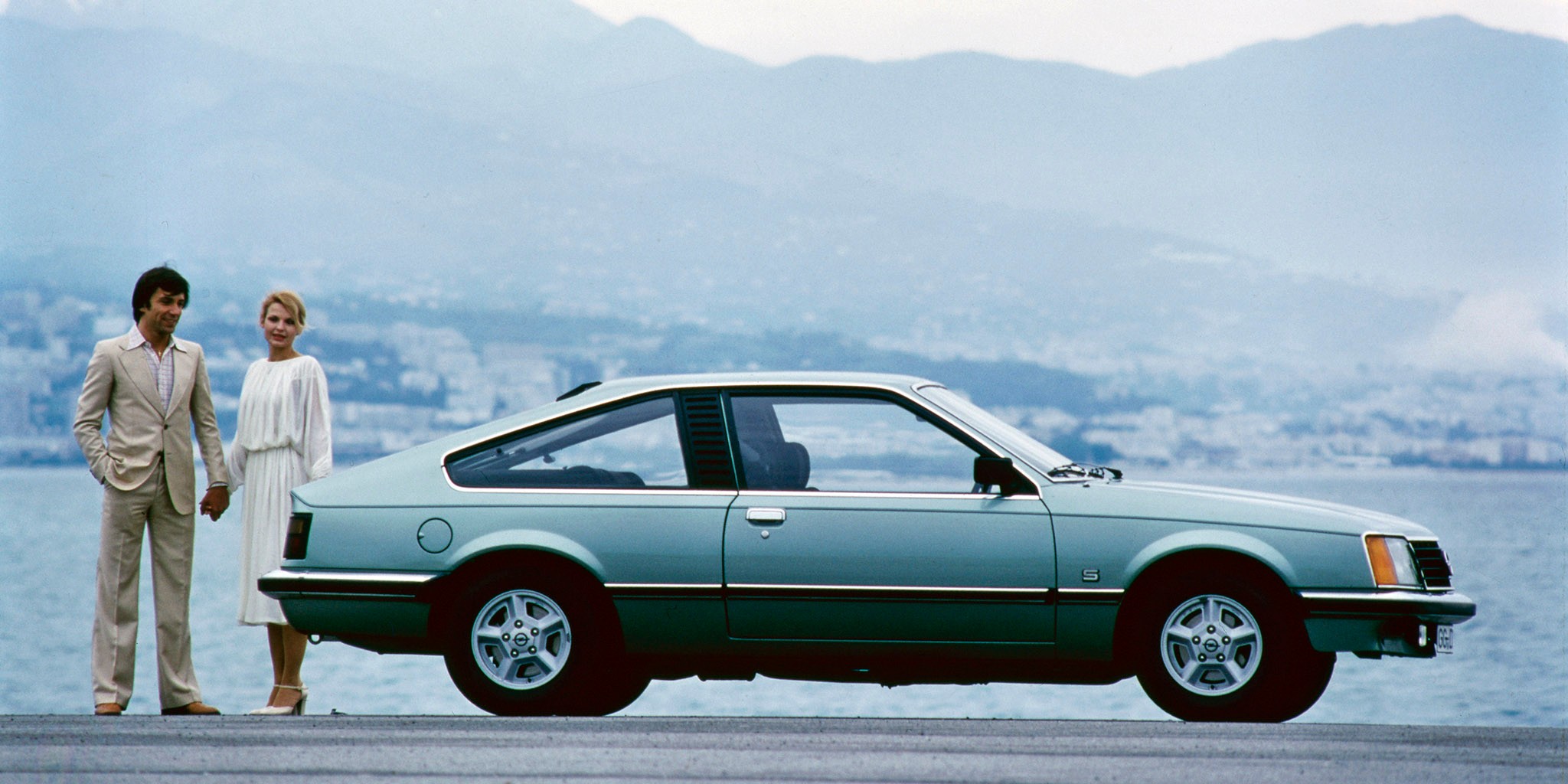

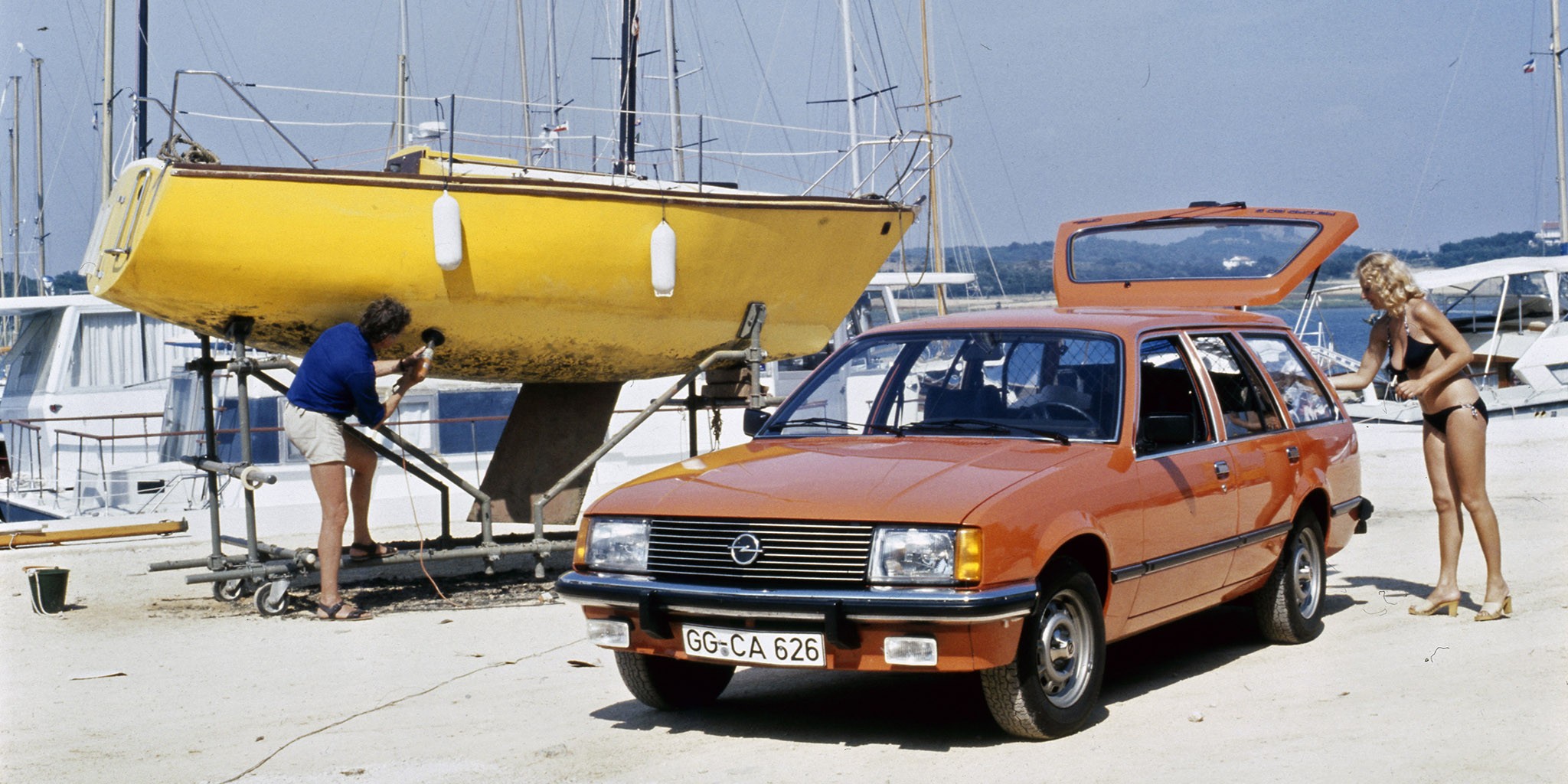
But there was also a strong connection between Opel and ZF on another level: From 1925 to 1935, Willy Sachs was married to Elinor von Opel, the daughter of Wilhelm von Opel and granddaughter of Opel founder Adam Opel.
The Credo: Making Mobility Affordable
The brand with the lightning bolt continued to develop without forgetting its brand essence: always anchored in the motto of making mobility affordable for everyone. In addition, comfort and safety with state-of-the-art technologies were always a top priority - with a goal to make the product range safer, more comfortable, more practical and more durable.
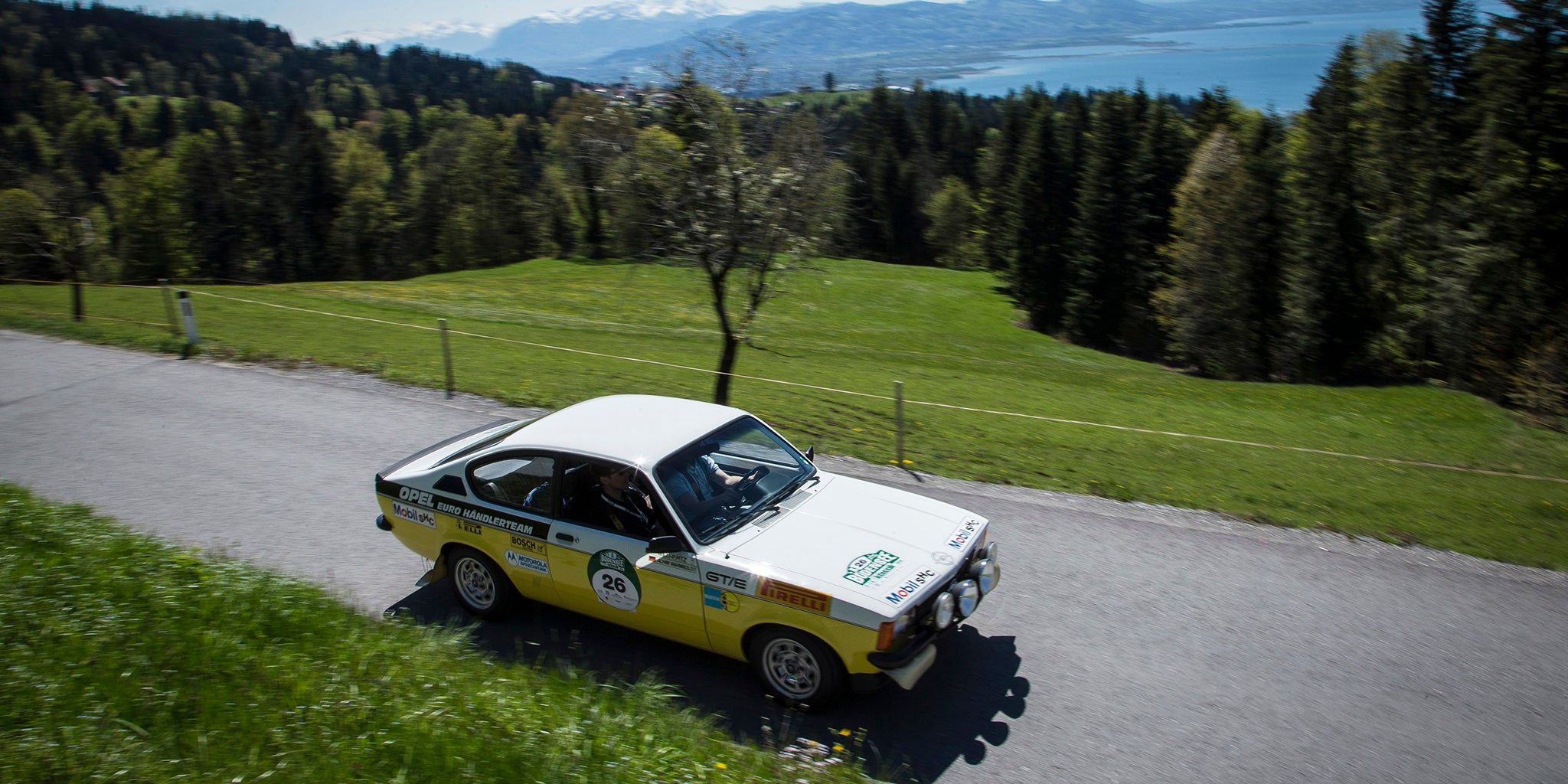
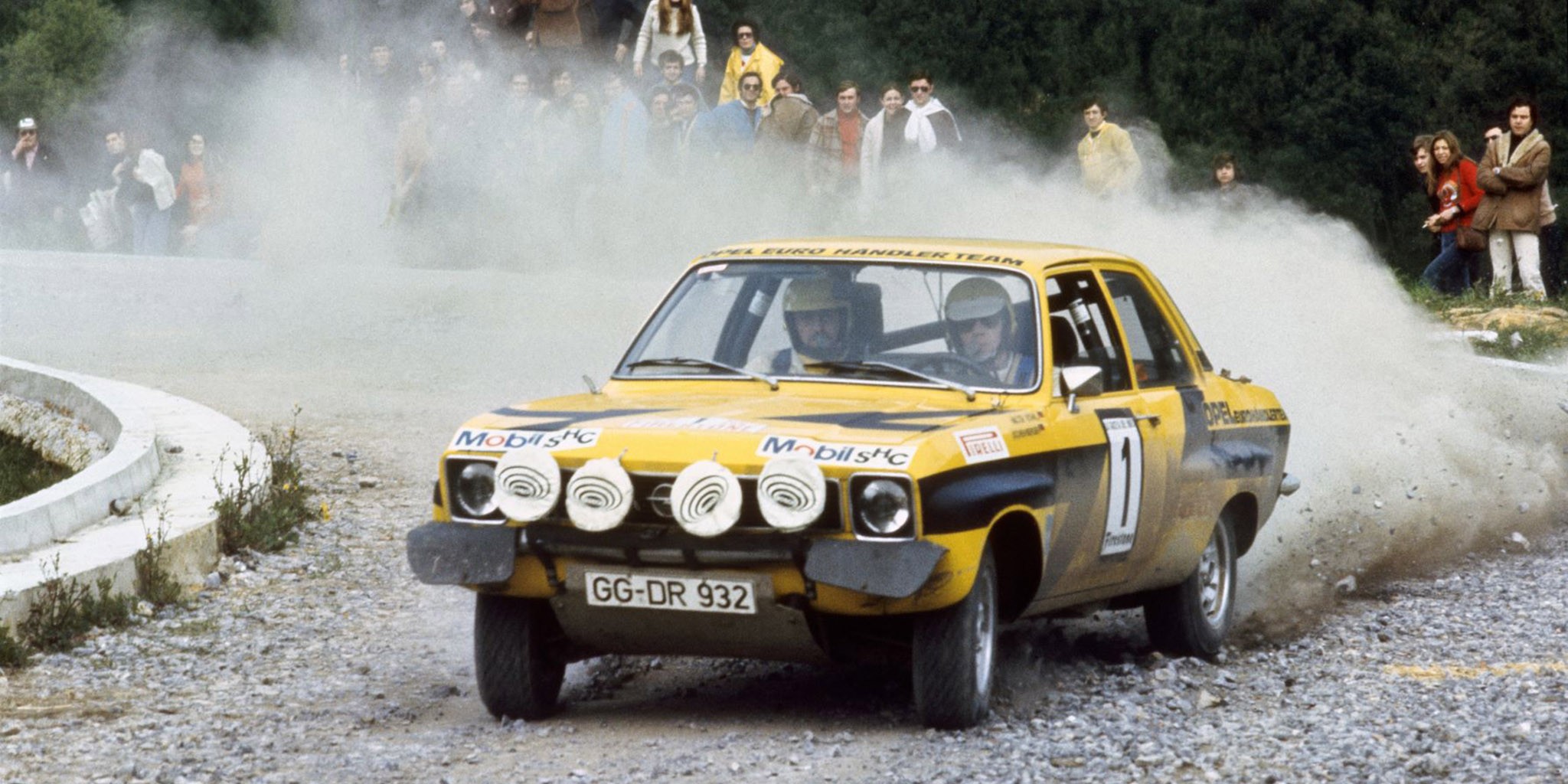
Opel has also become an integral part of rallying. In the 1970s, most passenger cars were equipped with a standard four-speed gearbox. The five-speed variant was often offered as an option at that time and came, for example, as the S 5-18/3 from ZF. The ZF S 5-18/3 was used in rallying in many Opel applications such as the Commodore, Ascona GTE, Manta and Kadett - also in historic rallying in England. Opel presented the rally version of the Kadett in 1966 and by the end of the sixties and early seventies, the Kadett B was already the most driven car in reliability sport.
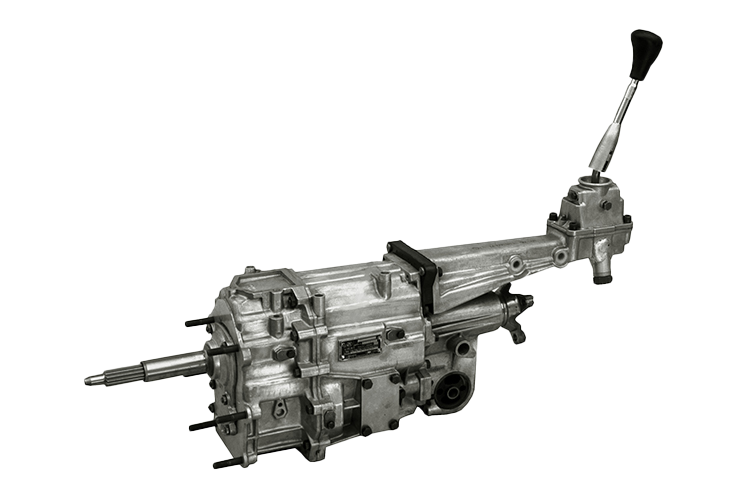
The S5-18/3 synchromesh transmission from ZF.
ZF Reproduction for Rallying
Today, the S 5-18/3 from ZF is more popular than ever - the manual transmission was available in countless versions. It was also used on the European mainland like the Opel Kadett C. Wear and tear, and thus a specific need for spare parts, are always pre-programmed in tough rally applications. For this reason, ZF also manufactures shafts, wheels and synchronizer parts for the 2.3 to 1.0 gear ratio often used in rallying. ZF offers this ratio as a complete repair kit. Shafts, wheels, synchronizer packs with sliding sleeves, bearings and sealing rings are currently available as variants. Other transmission applications and parts can also be reproduced on request.
ZF's Continuous Damping Control (CDC) has also been a real innovation since the 1990s: the system delivers the right damping force in every situation. Driving pleasure, comfort and safety - because everything you want from a car is largely down to the damping. Anyone who enjoys driving or drives a lot will immediately notice the advantages offered by a system like CDC. As an electronically controlled system, CDC can vary the damping and thus optimally adapt the handling of the vehicle to the respective situation - in fractions of a second and for each wheel individually. At Opel, CDC was first installed in the Opel Astra, Signum and Insignia. Below the premium segment, it is available as an optional additional function and is hidden behind names such as “adaptive chassis”.

A CDC damper on the test bench.
For almost 100 years, ZF and Opel have had more than just an ordinary customer relationship. Always on the lookout for innovative, technical solutions - with the mission of making mobility safer, more comfortable and, ultimately, more affordable for customers.