
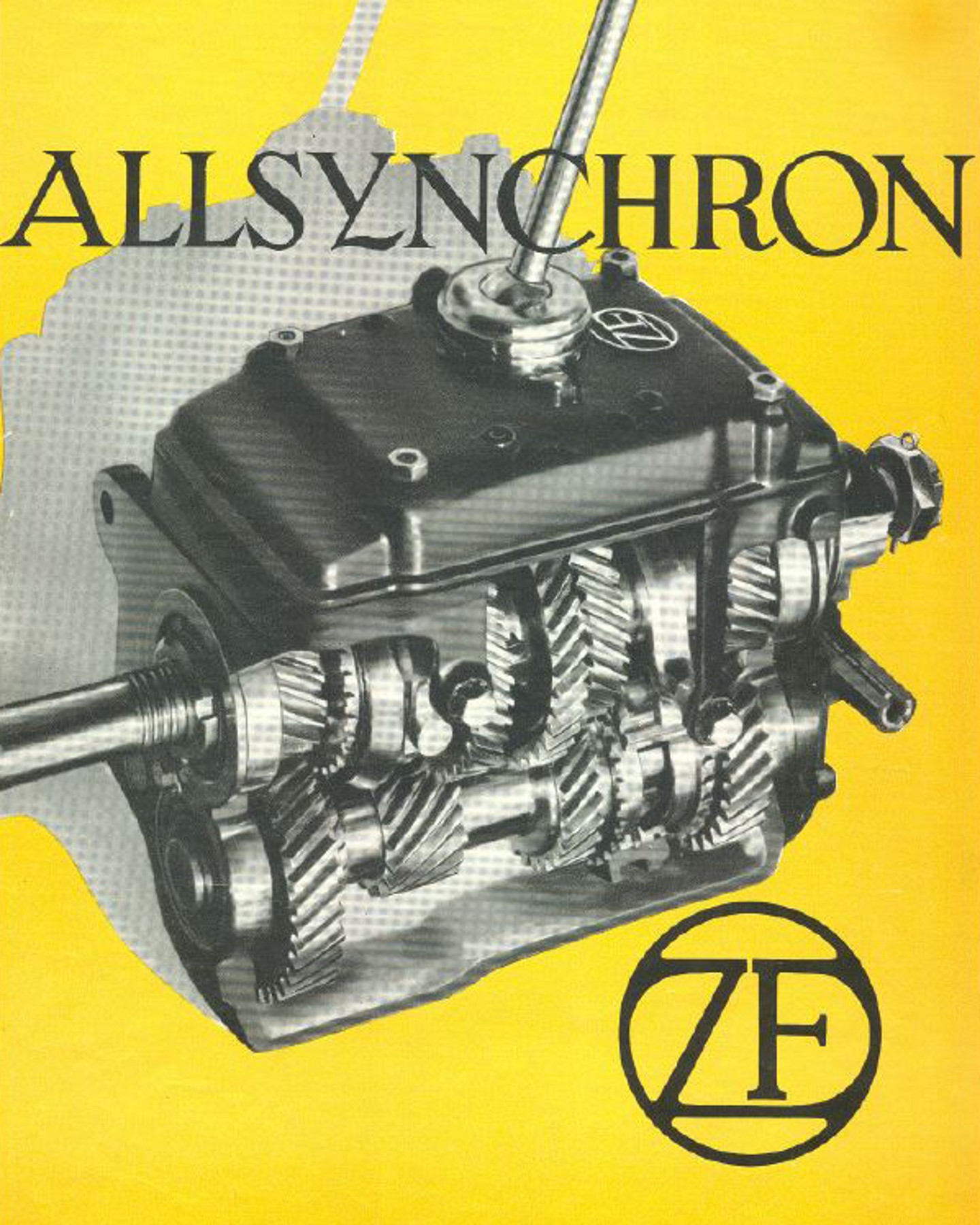
From Intermediate Throttle to Shifting Fun
Imagine having to manually coordinate the clutch, accelerator pedal, and lever force. Today, this seems almost unthinkable, largely due to the all-synchronous transmission. This fully synchronized transmission was developed by ZF 90 years ago.
Many car enthusiasts believe the traditional manual gearbox is what makes driving so enjoyable: Simply depress the clutch once, and the desired gear is engaged effortlessly in any situation via short, crisp gears. Much of this ease can be attributed to the advancements that have been made with synchronizers, which are located on the main and countershaft of the transmission. The compact all-synchronous transmission was ZF’s first development aimed at simplifying ratio changes in all forward gears with cone synchronizers, known at the time as "cone clutches."

ZF all-synchronous transmission as a cutaway model.
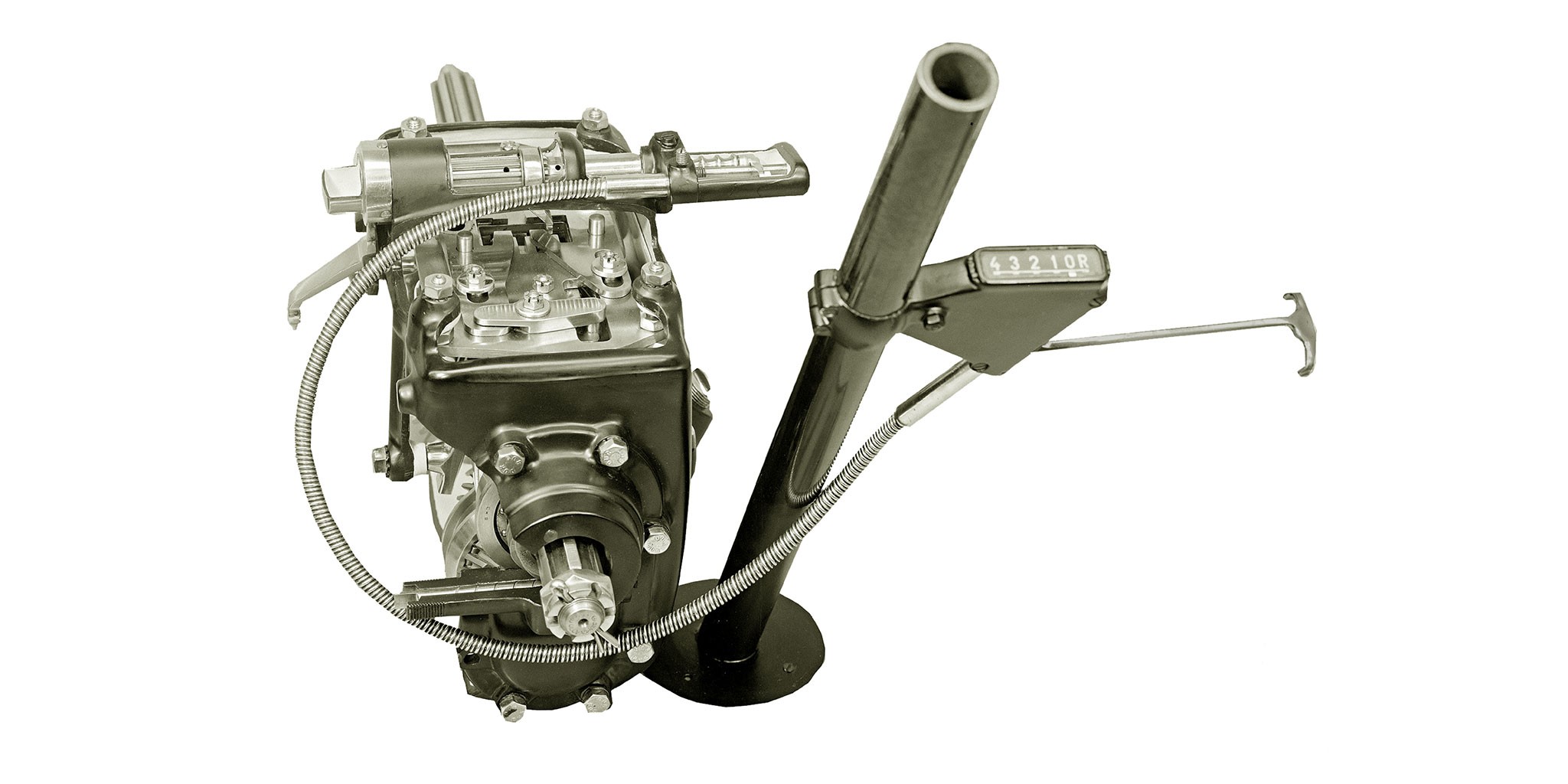
With this fully synchronized transmission - internally called AK 4 S-15 - ZF introduced a transmission for passenger cars for the first time in 1934, in which all forward gears were implemented with helical gears. The synchronizer cones were incorporated as new design elements with a large diameter between the wheels. Additionally, all wheels were in permanent mesh, none were shifted for shifting. This protected the gearing. To meet market requirements at the time, the all-synchronous transmission was not only to be a smooth-running transmission in all gears, but also a cost-effective one.
So, what’s the Secret of Synchronization?
Friction is the magic word! Synchronizer rings use friction to gently bring the drive shaft and the gearwheel of the selected gear to the same speed so that the toothed sliding sleeve can engage silently. Only when synchronization between the two is acheived can the teeth of the sliding sleeve engage with the corresponding teeth on the gearwheel. Both are friction-locked at this stage, and the gear is engaged without any "greetings from the gearbox" - the foot can be removed from the clutch pedal. However, this process this was not always as simple and smooth as it is today...
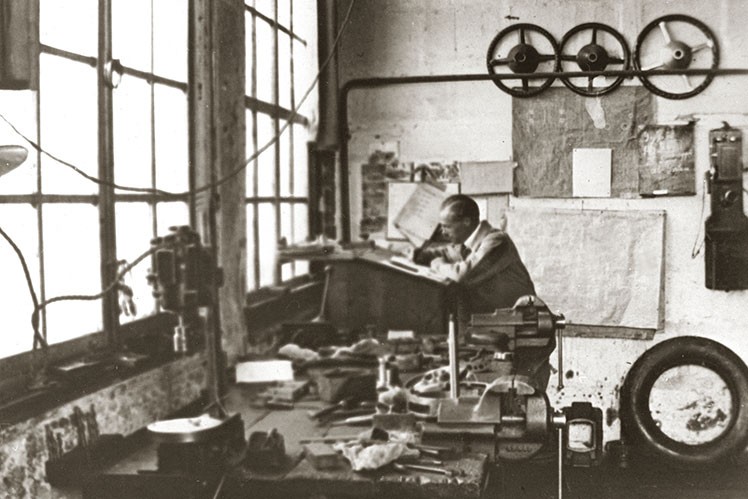
The first driving test workshop for research and development at ZF.
In the Beginning it could be "Scratchy"...
ZF has been working on solutions for simpler gear changes since the company was founded in 1915. Vehicle transmissions with synchro systems did exist at the time. Drivers had to perform this task traditionally by foot: Downshifting required, in addition to a depressed clutch, speed adjustment via an intermediate throttle stroke, while changing to a higher gear required double clutching.
The "synchronization with scraper spring," a technology patented by ZF in 1916, was designed to simplify gear shifting. The system used leaf springs, which were simple bent metal plates similar to the contacts in an electrical switch. The idea was to use friction to equalize the rotational speed of the gearwheel and shaft before engagement. Despite the innovative approach, this technology didn’t gain traction. As a result, the focus for many years was on optimizing the unsynchronized claw gear through approaches like employing unique geometry for the gearing.
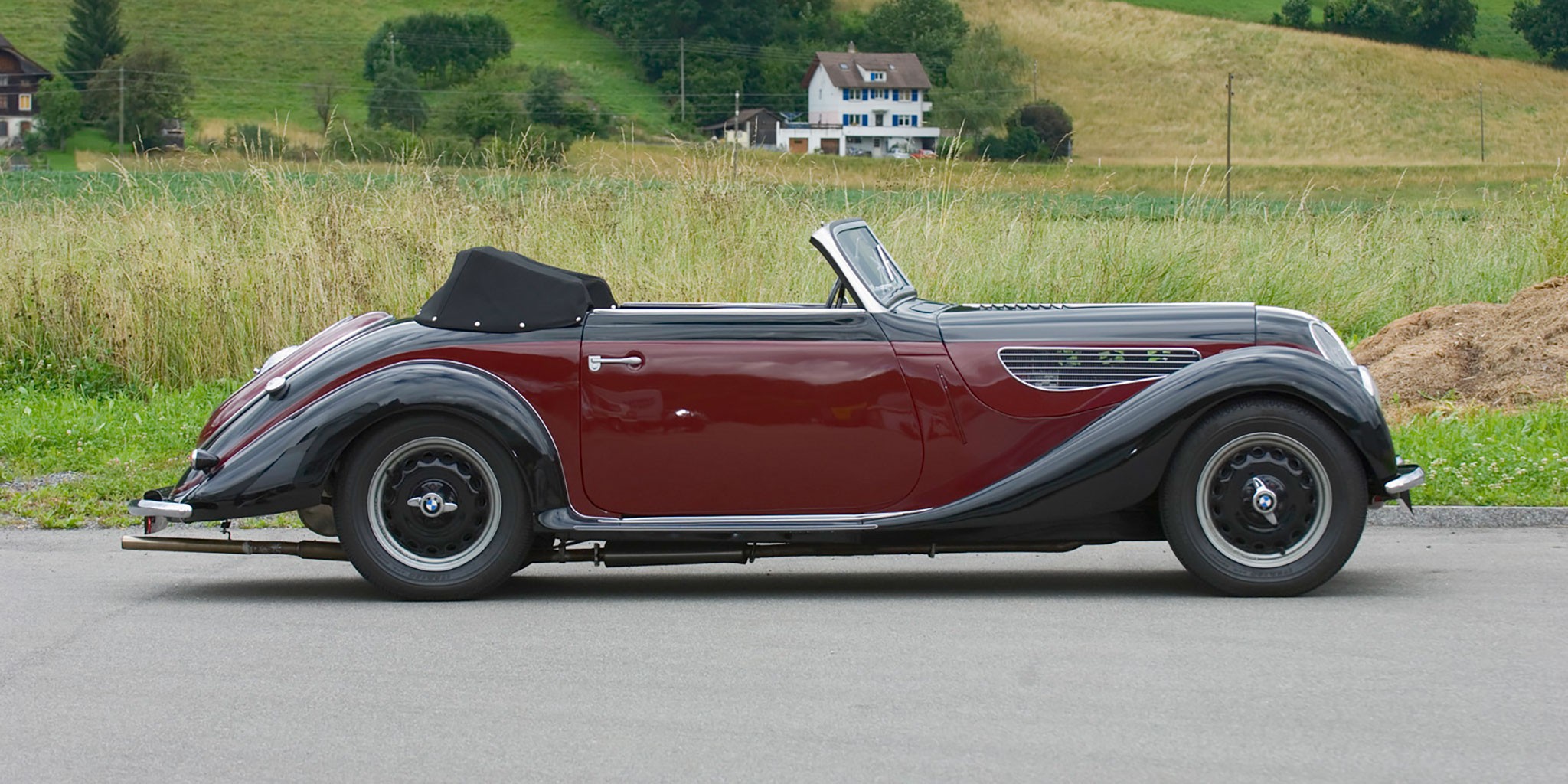
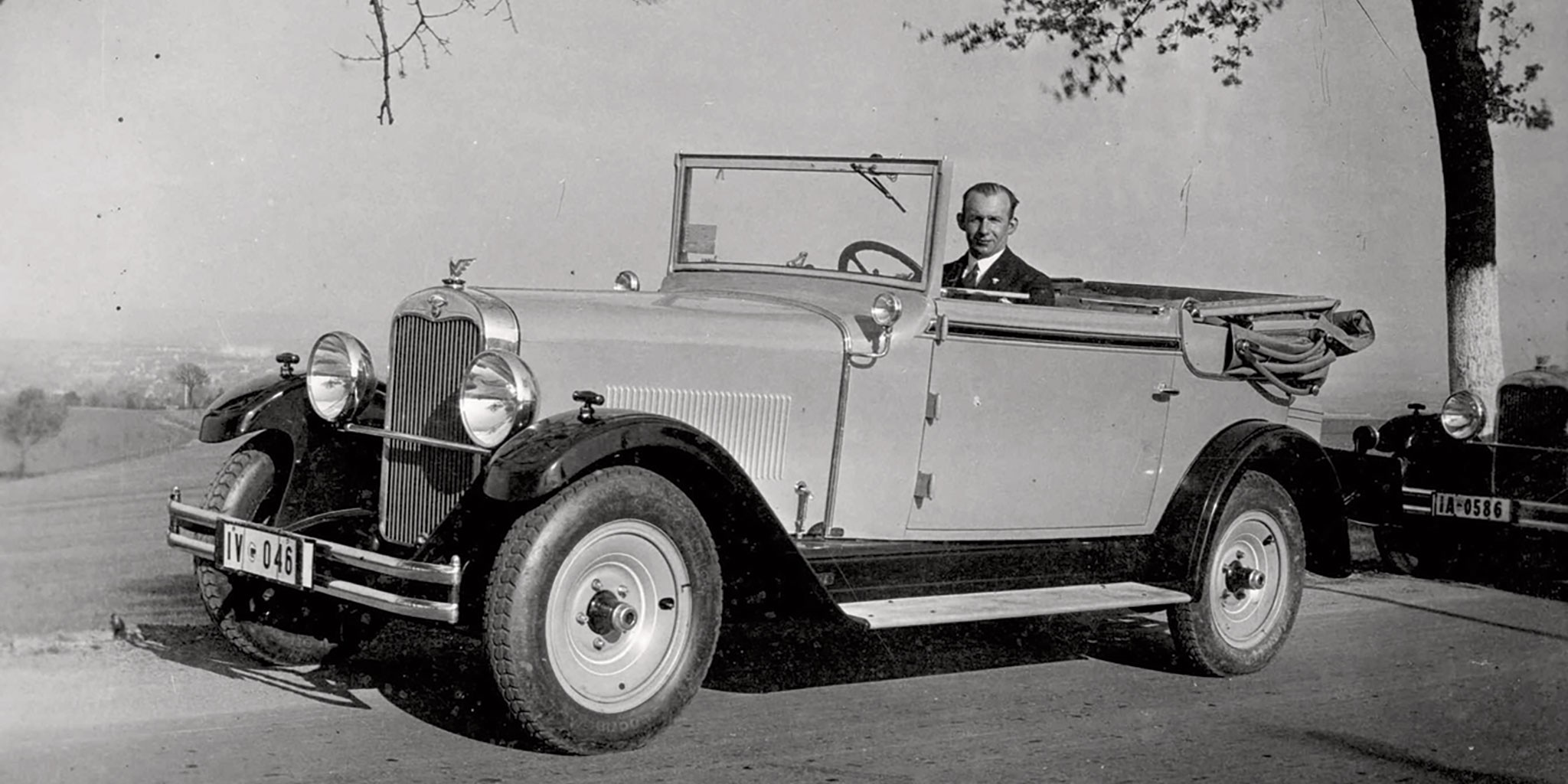

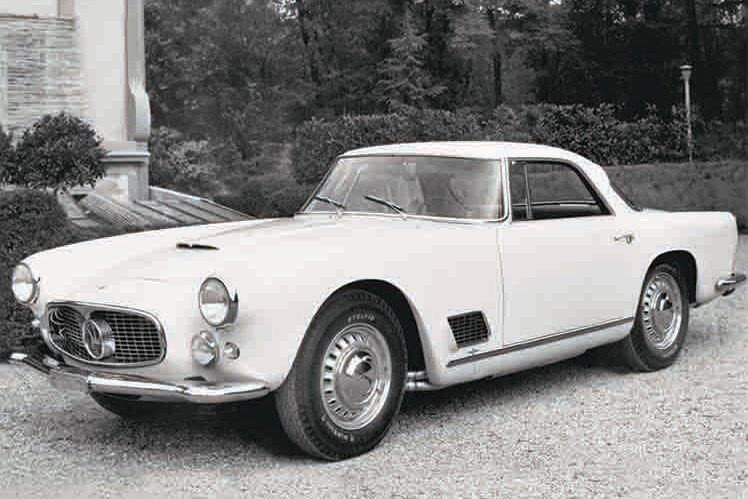
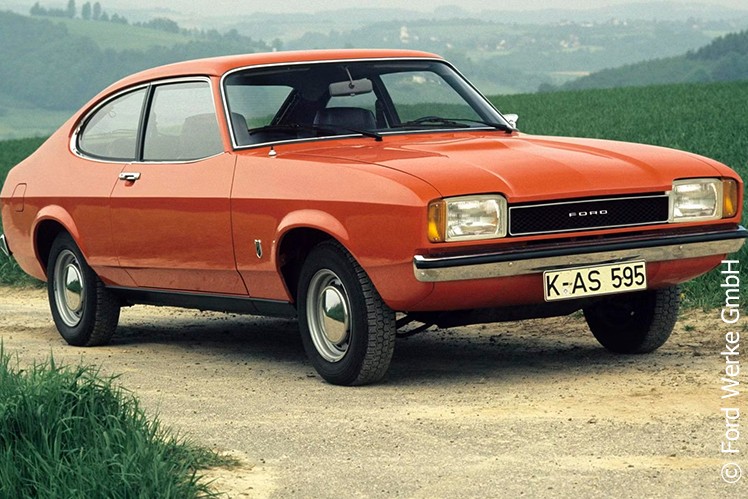
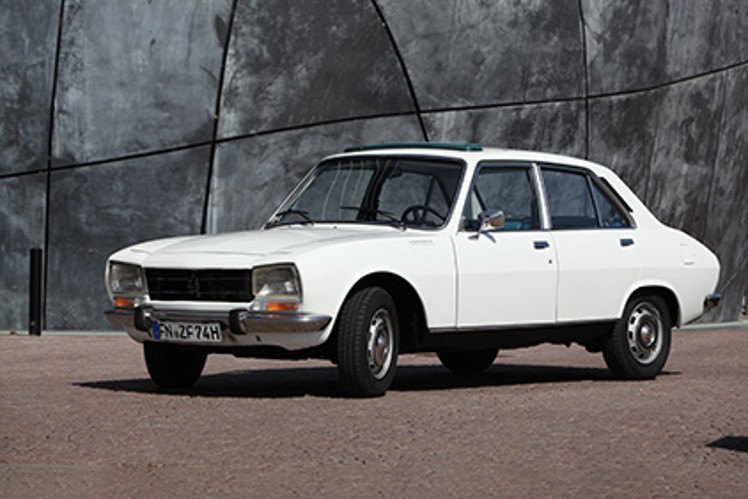
The Wanderer company was the first to apply the practical advantages of the smooth-running all-synchronized gearbox in 1935. From 1938, drivers of the BMW touring sports cars 327, 327/28 and 328 also benefited from this - including the legendary Frazer Nash-BMW 328, which was manufactured under license in England. Drivers of select Mercedes, Horch and Hanomag models were also delighted by the new gearshift quality.

Sectional drawing of the all-synchronous gearbox from 1937.
With the introduction of the AK 4 S-15, the days of intermediate throttle and double clutches became a thing of the past. However, one challenge persisted: smooth, silent engagement of the gears still required a certain level of skill and sensitivity. Drivers needed to discern the precise moment to engage the gear knob via. This was also the case for the AK 4 S-20 variant used in the BMW 335 from 1939 and to the AK 4 S-30. Thanks to high sales and licensing to other companies, the all-synchronous transmission achieved global significance.