

24 Hours of Le Mans: 100 Years of Racing Spectacle
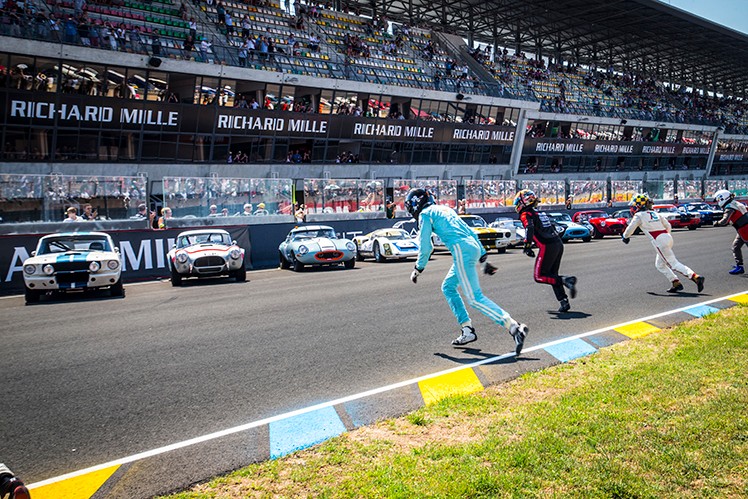
The legendary Le Mans endurance race has captivated motorsport fans for over 100 years. As one of the biggest pioneers in the automotive industry, ZF was present with a wide range of products. We look back...
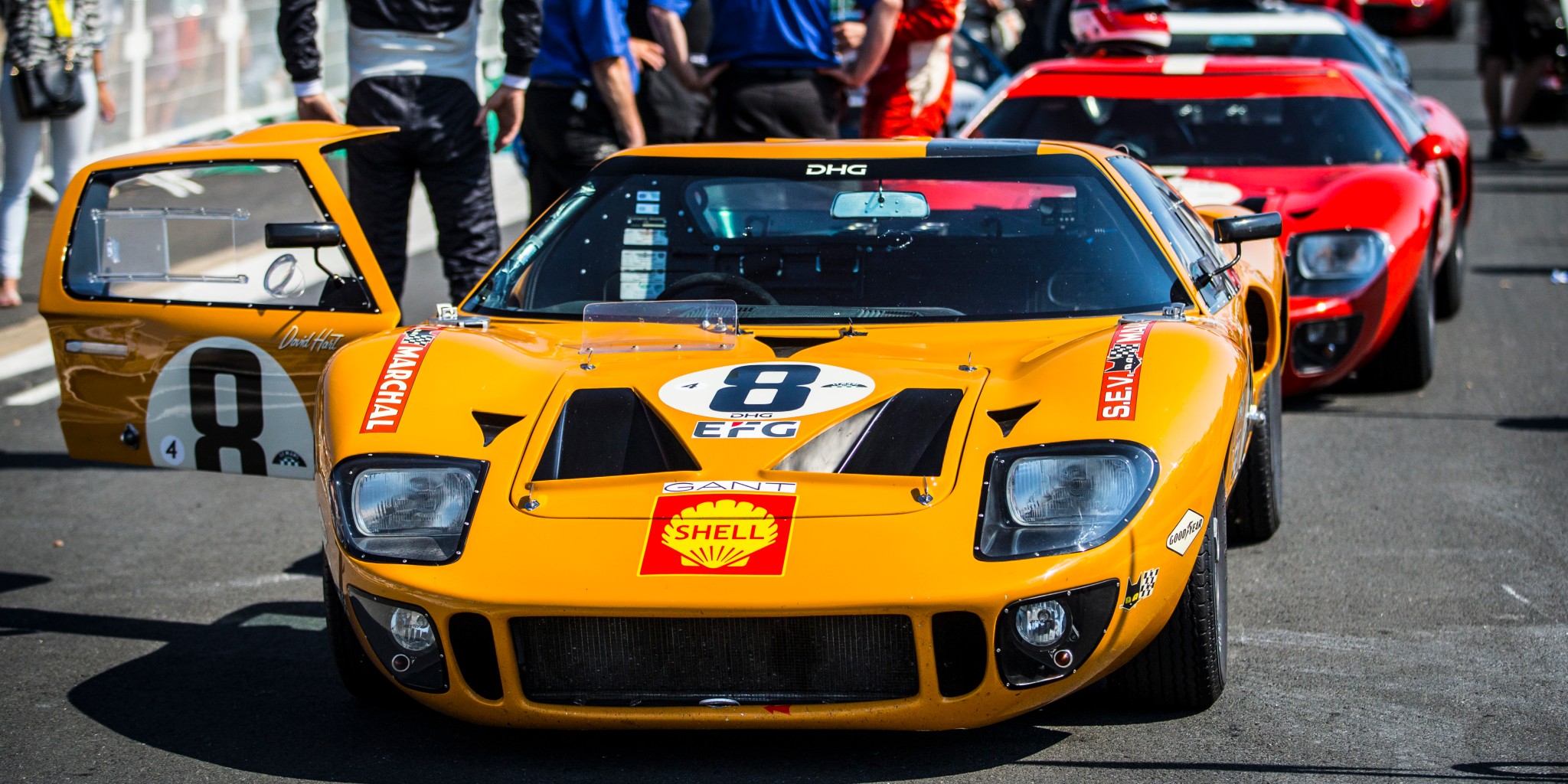
A particularly large number of vehicles started at Le Mans in the 1960s with the new ZF 5 DS 25 transmission. The Ford GT 40 in particular made headlines with their declared attack on Ferrari. In general, the GT 40s at Le Mans used the ZF 5 DS 25 only with 4.7-liter and 5.3-liter engines. In addition, the large 7-liter engine with Ford 4-speed transmission was used only until 1967. From 1968 on, the GT 40 cars were only equipped with ZF 5-speed transmission in the smaller displacement version. Gradually, however, numerous other vehicles were also equipped with the ZF 5 DS 25: In 1967, striking models such as the Wyer Mirage 5.7 l (special equipment from the GT 40), Matra 630 (with V8 Ford B.R.M. engine), Cooper Maserati and even Ferrari's legendary 330 P3/P4 and Ferrari 412 P could be found with 5 DS 25.
In 1968, the Le Mans race was postponed until September due to political unrest during the student movement. Outstanding were the victories of the 4.9-liter versions of the Ford GT 40 in 1968 with the ZF power unit driven by Pedro Rodriguez (Mexico) and Lucien Bianchi (Belgium) and in 1969 by the overall six-time Le Mans winner Jacky Ickx (Belgium) with Jackie Oliver (GB).
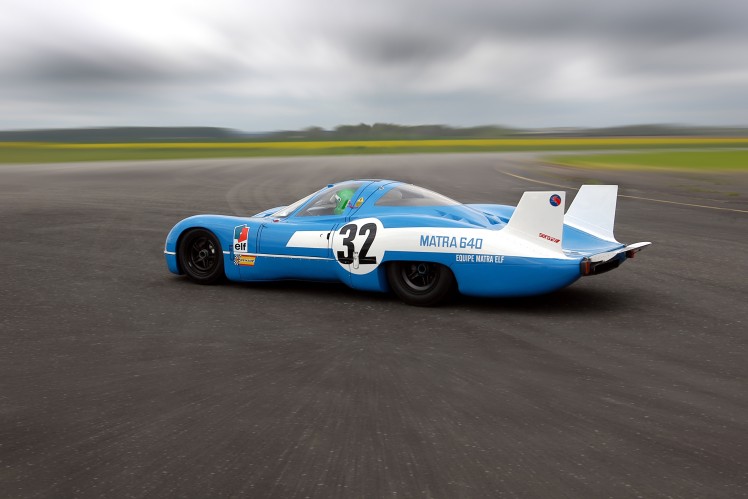
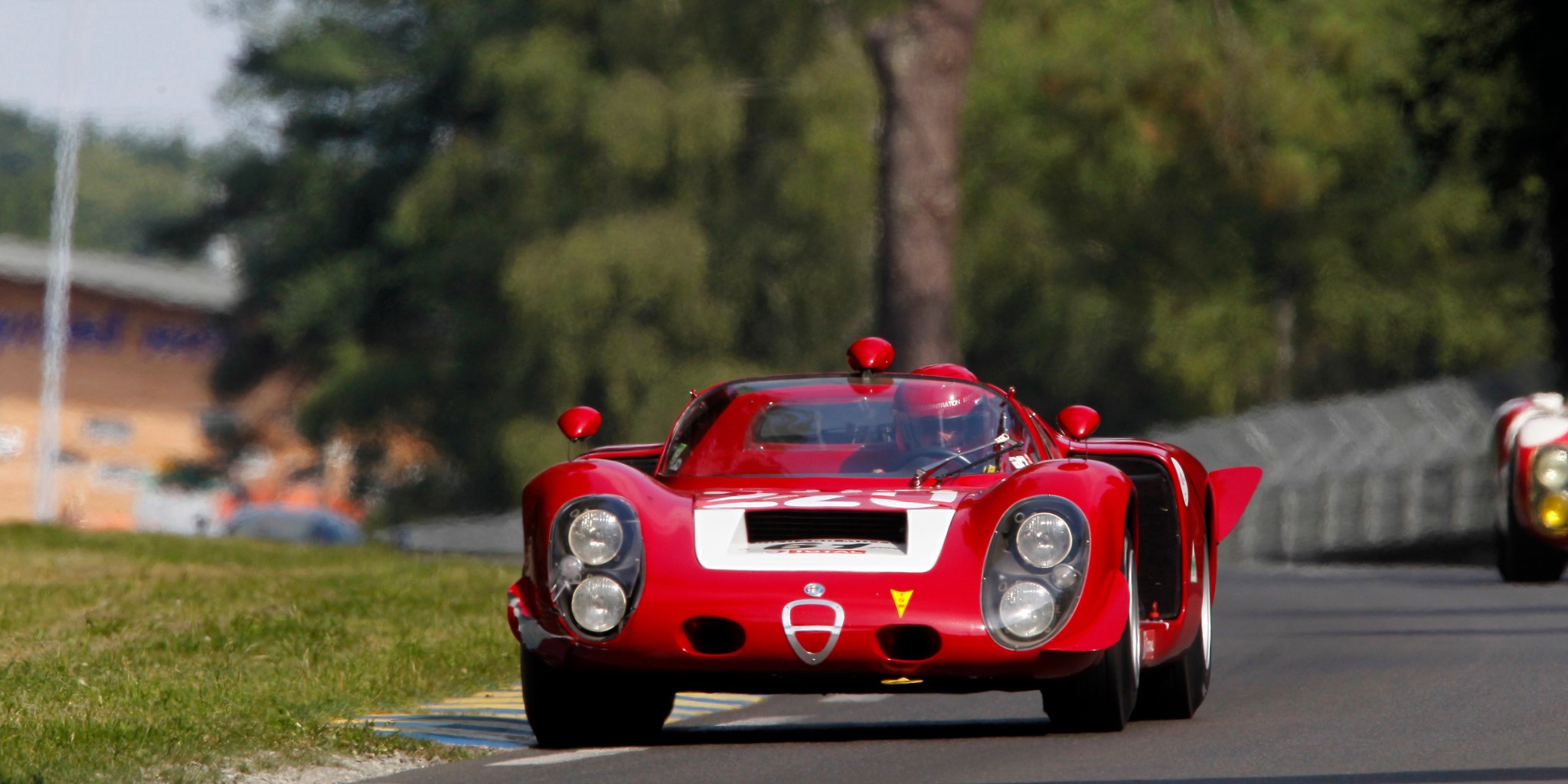
Matra competed in this year for the first time with a V12 engine with a 3-liter displacement and ZF 5 DS 25, while Alpine ordered three 5 DS 25 transmissions for the Renault Alpine A 220 with V8 and 3-liter engine in March 1968. An armada of no less than nine different Renault Alpines (never before had so many vehicles been entered in the race by one manufacturer) entered the competition.



Great Successes With ZF Products
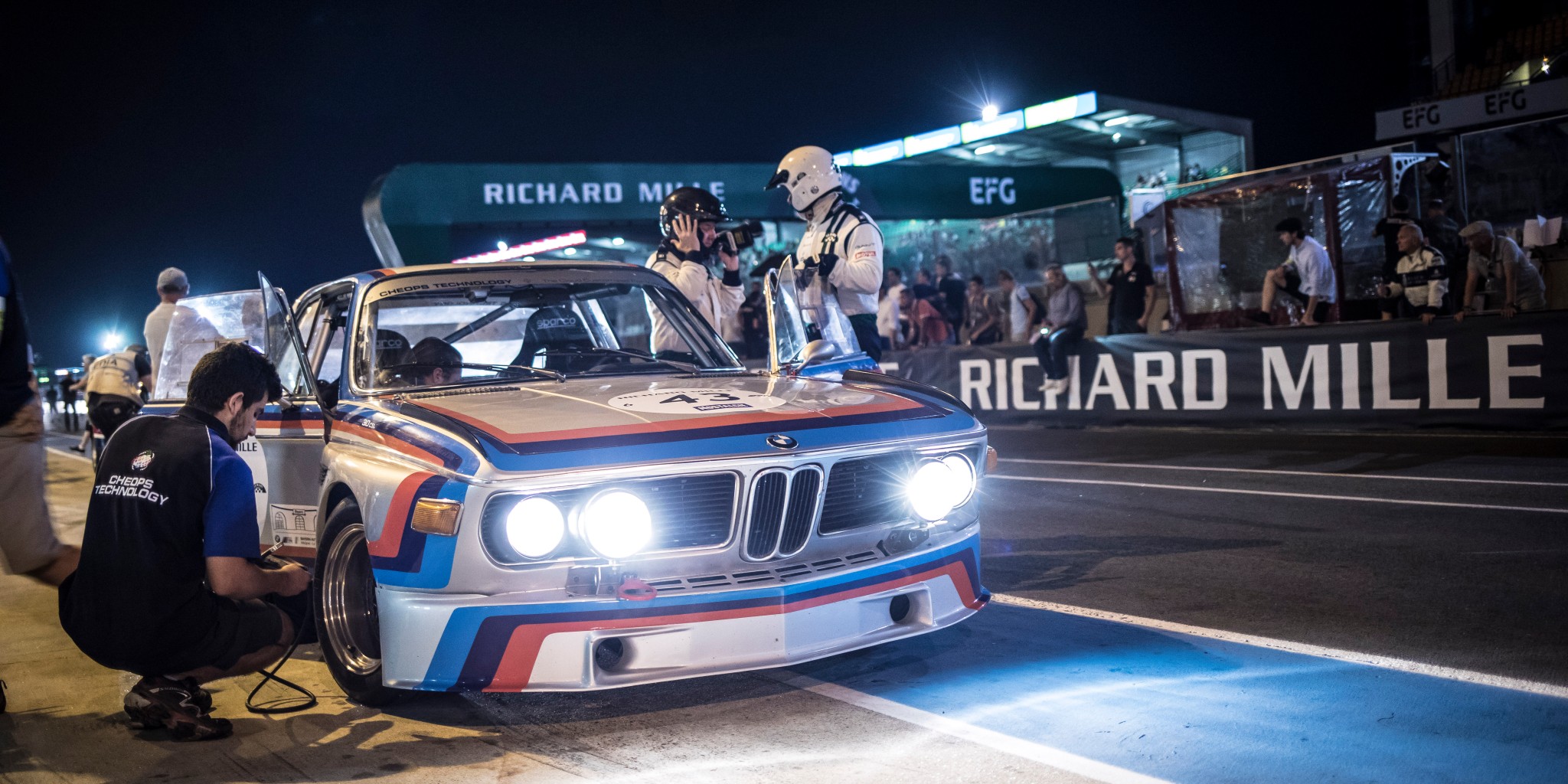
The 5 DS 25 continued to be used successfully for a few more years: In 1974, Jacky Ickx and Derek Bell were once again the first to cross the finish line. Horsemann built a prototype that competed as the Mirage GR 8 at Le Mans in 1975. With Gulf as sponsor, it entered the 1975 race under the designation Gulf GR8 and won. In the further course of the 70's the 5 DS 25 was to be found in the WM Peugeot of the racing team AEREM, which consistently placed themselves at least in the upper third. After that, starting in 1979, the BMW M1s, which were also driven with rack-and-pinion steering by ZF, and in between, De Tomaso Pantera cars with the third generation of the ZF transmission, the 5 DS 25/2, competed. However, they were hardly able to challenge Porsche's dominance over the years. The BMW M1 was planned for use in motorsport, but changes to the international regulations even before its presentation scuppered the plan. The majority of the vehicles were sold as road cars.
Limited-slip differentials, especially multi-disc self-locking differentials, are widely used on racing cars with high engine power, because without a locking effect, unevenly transmitted torque from the drive wheels causes the wheel with the lower torque to spin. In this phase, the vehicle can hardly accelerate: If the slipping wheel then grips jerkily again, the drive train is subjected to shock loads, and this causes the vehicle to become unstable relatively easily. The multi-plate self-locking differential is a self-locking differential with a multi-plate clutch. Here, the locking effect is based on torque-dependent internal friction, which is generated in two symmetrically arranged multi-plate clutches in the differential cage. The combination of load dependence and spring loading of the multi-plate clutch results in the self-locking effect.
For racing, depending on the driver and race track, the locking value was selected up to 80%, which could be done very easily by rearranging the friction discs. For comparison: For road cars, the differentials were offered with 40% locking value.
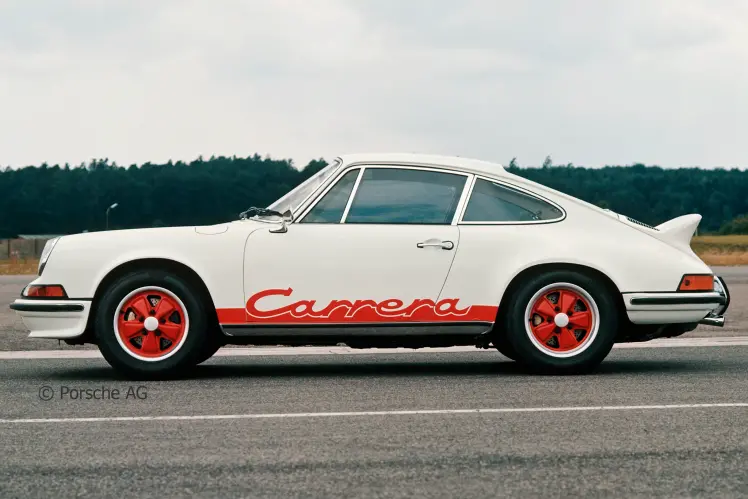
The multi-disc self-locking differential was installed in almost all Porsche models and thus ZF was always to be found in the top ranks in racing. In addition, with its Sachs product brand, ZF was also well represented in motorsport during these years with clutches and shock absorbers on virtually all platforms. Nationally and internationally, the best drivers and teams relied on ZF products - with great success: from 1968 to 1977, cars with ZF products were able to achieve overall victory ten times in a row.
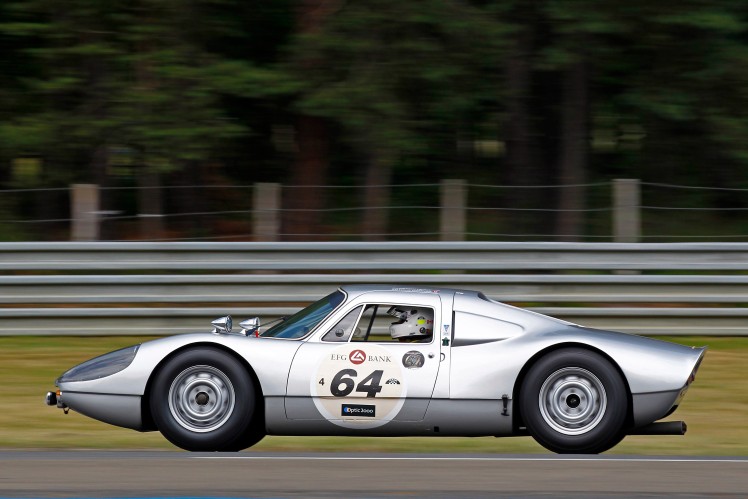
Among other things, a steering system & multidisk locking differential from ZF were installed in the Porsche 904 GTS
From 1981 to 1987, Porsche race cars won without a break, with the Porsche 956 taking a total of the first eight places in 1986! In the following two years, Team Joest Racing drove the Porsche 956 equipped with ZF clutch and shock absorbers onto the podium of the world's toughest endurance race. Porsche's success statistics were later continued by Audi at Le Mans. From 2000 onwards, Audi's era of victories at Le Mans was comparable only to that of Porsche from the 1970s to the 1990s.
At the same time, ZF established itself at the top in other high-quality motorsport categories and developed lasting partnerships: The winners of Peugeot, Audi, and Toyota at the 24 Hours of Le Mans always relied on ZF's high technology. From 1998 to 2018, for example, a full 20 of 21 overall victories in a row were achieved with ZF clutches.
From the 1960s onward, the "who's who" of manufacturers in the starting lineup made extreme gains with ZF. In most cases, the number of cars that survived the endurance test and crossed the finish line was well under 20 and of those, an average of 75 to 85 percent drove with ZF products.
Characterized by high engine performance in combination with perfection and professionalization, a victory in the most famous endurance race is a unique image boost and economic factor for both the racing teams and manufacturers. Of the 80 races at the Sarthe so far in which ZF has been involved as an equipment supplier, ZF partners have finished a proud 50 of them on the podium. An impressive record that shows that ZF has helped shape every step forward in the automotive industry from the very beginnings of the 24-hour race.
These developments and an unwavering commitment to technical progress have ultimately helped to make the 24 Hours of Le Mans what it is today: the most legendary racing spectacle in automotive sport.