
From Mechanical Engineer to Cybersecurity Expert: Jeevi's Story
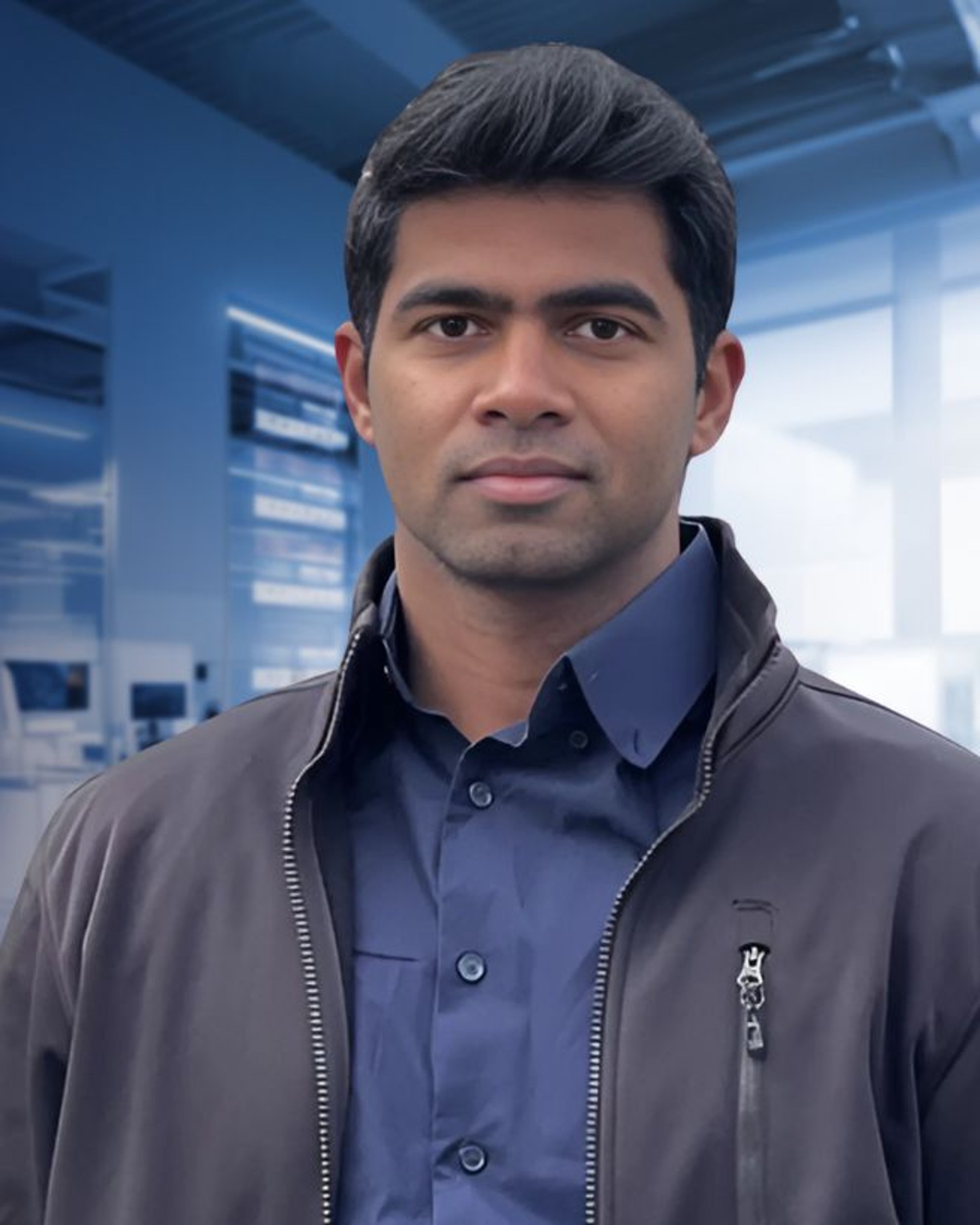
I began my career in Mechanical Engineering with a strong interest in vehicles and technology. Over time, that interest evolved into a focus on cybersecurity. Today, I work as a Cybersecurity Systems Engineer at ZF, helping to protect critical vehicle systems in an increasingly connected and digital automotive world.
How It All Started: From Chennai to Michigan
I grew up in Chennai, India, and earned my Bachelor's degree in Mechanical Engineering from Sathyabama University. Back then, I was already fascinated by vehicles - how they move, how they are built, and how fast technology was changing them.
That curiosity led me to the U.S., where I completed a Master’s degree in Automotive System Engineering at the University of Michigan – Dearborn. I picked this program because it was practical, industry-aligned, and right at the center of the U.S. automotive world. It was the perfect environment to learn how cars were becoming smarter - not just mechanically, but electronically and digitally too.
The Turning Point: Cybersecurity
After starting my career as a product engineer, I joined Ford Motor Company as a Systems Engineer. That’s where I first got exposed to cybersecurity. I worked on system design with cybersecurity in mind — identifying potential threats, meeting regulatory requirements, and ensuring our vehicle systems were resilient.
That experience made something click. I realized cybersecurity wasn’t just a side note — it was going to be a huge part of automotive innovation moving forward. I saw how vulnerable modern vehicles could be, and I wanted to be on the front lines of protecting them. That moment shaped my career path.
Turning into a Cybersecurity Systems Engineer
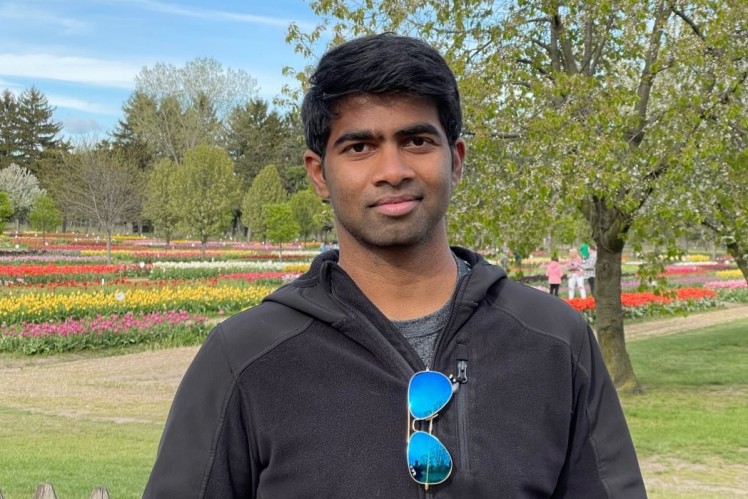
When I got the opportunity to join ZF Group as a Cybersecurity Systems Engineer, I took it without hesitation. Today I work in Livonia, Michigan, where I focus on protecting some of the most critical systems in a vehicle — like braking and steering — from potential cyber threats.
These systems are essential to keeping drivers safe, and in today’s connected cars, they are more exposed than ever to risks like hacking or unauthorized access. My job is to make sure that doesn’t happen. I work with a team that’s dedicated to building cybersecurity into these systems from the very beginning — not as an afterthought.
What I Do Every Day: Hands-On Cybersecurity
A big part of what I do involves understanding where systems might be vulnerable and then working out how to fix or prevent those weaknesses. That means running detailed risk assessments, analyzing how attackers might try to break in, and coming up with security requirements that guide how the system should be designed and tested. We use industry standards to make sure everything we do meets global expectations for safety and compliance.
I don’t work in isolation — far from it. I collaborate every day with systems engineers, software developers, and other teams to make sure cybersecurity is integrated smoothly into the development process. We hold regular discussions, reviews, and workshops to stay aligned and make sure security is considered at every stage of development.
Here are the tools, standards, and skills I work with every day:
· Industry Standards ISO/SAE 21434, UNECE R155
· Cybersecurity V-model development, Secure SDLC
· ECU security design, secure CAN communication, secure diagnostics
· Cryptographic primitives, authentication protocols, secure bootloaders
· Reverse engineering, penetration testing, firmware analysis
· Threat modeling (e.g., STRIDE, HEAVENS)
· Cross-functional collaboration with systems, software, and safety teams
· Tools like CANoe, Wireshark, JTAG debuggers, IDEs, and traceability tools
Process Improvement: Making Security More Efficient
One part of my work that I am especially proud of is helping to improve how we deliver cybersecurity requirements during development. I took the lead on an effort to make this process faster and more effective. We looked at how we were gathering and managing security requirements and found ways to streamline it — cutting out manual steps, improving how we track changes, and making sure everything stays connected to the overall system goals. As a result, we have been able to catch potential issues much earlier and save a lot of time in our project timelines. It has made our whole approach to security more flexible, efficient, and responsive.
Why I Love What I Do
One of the hardest parts of the job is that the threat landscape keeps changing. Cars today are more connected than ever – with Bluetooth, Wi-Fi, and cellular access – and that means more ways for attackers to get in. I also work hard to build a culture of cybersecurity within our teams, so everyone understands its importance. What I find most meaningful is knowing that my efforts play a crucial role in protecting drivers and passengers, ensuring that they can rely on their vehicles to operate safely and securely in an increasingly digital world. When you think about how critical braking and steering are, it is clear why security matters. I also love working in a collaborative environment where different disciplines come together to build something secure and reliable.

Growing and Looking Ahead
ZF has been a great place for me to grow. The culture here encourages learning and supports work-life balance. Depending on project demands, there is often the opportunity to adjust work hours or work remotely, which allows me to manage personal commitments. I have had access to a mentorship program that pairs me with experienced leaders. These weekly one-on-ones have helped me think more strategically and improved how I approach challenges and teamwork.
Here at ZF, I am proud to be a “FutureStarter” – someone helping to drive innovation and shape the future of mobility. Through continuous learning, collaboration, and a passion for cybersecurity, I am committed to building safer, smarter vehicles that people can trust on the road.